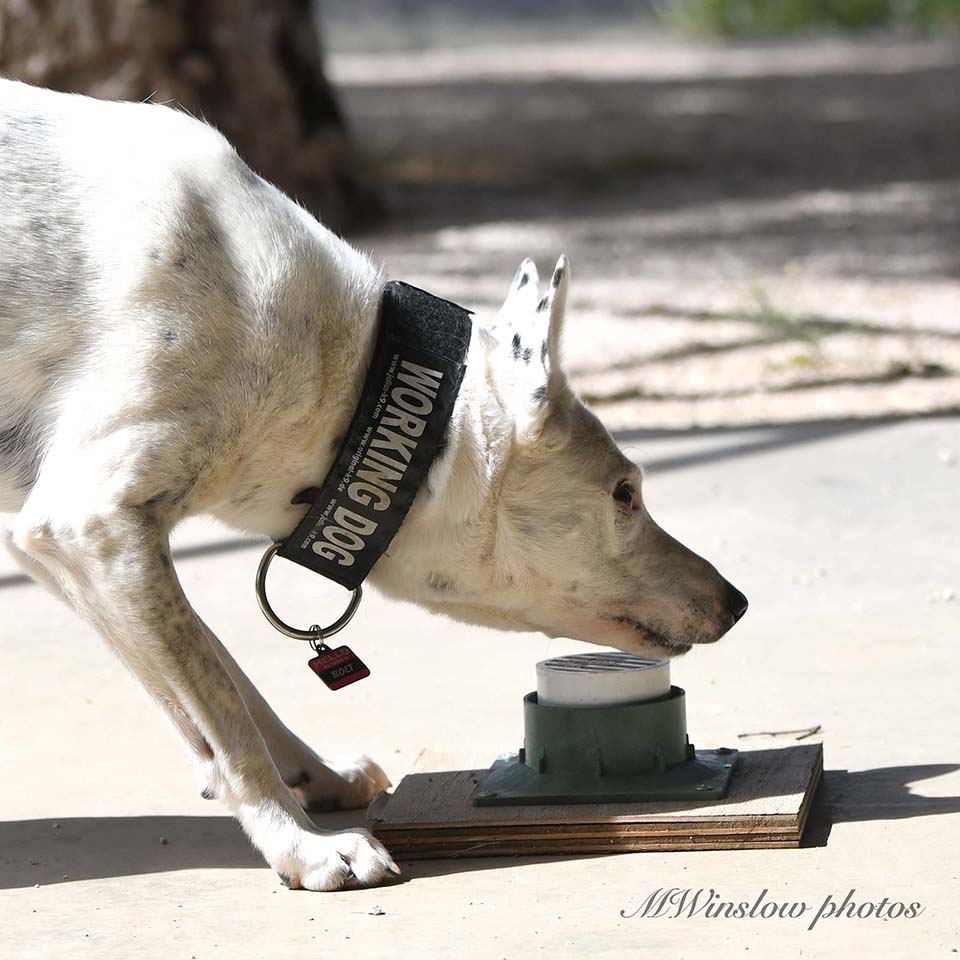
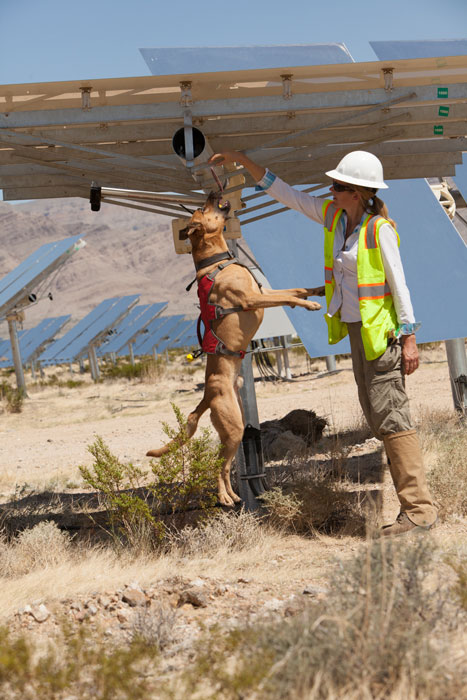
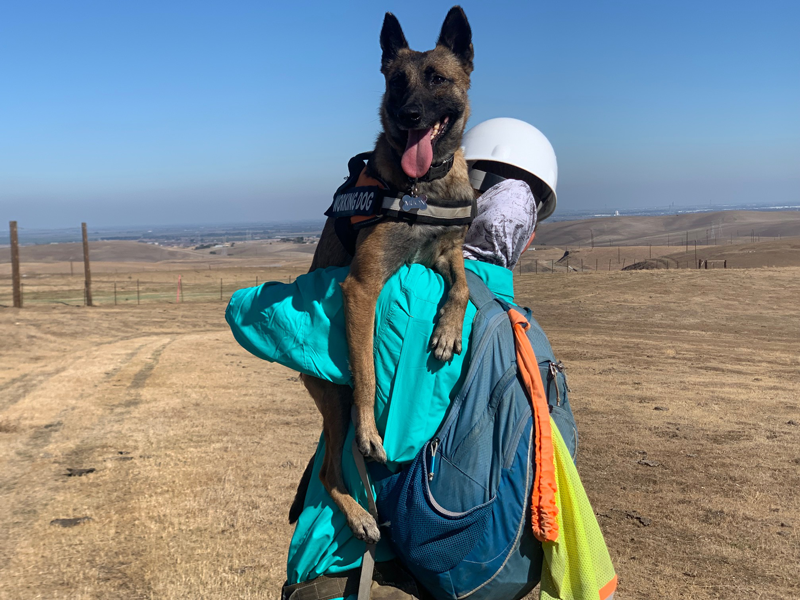
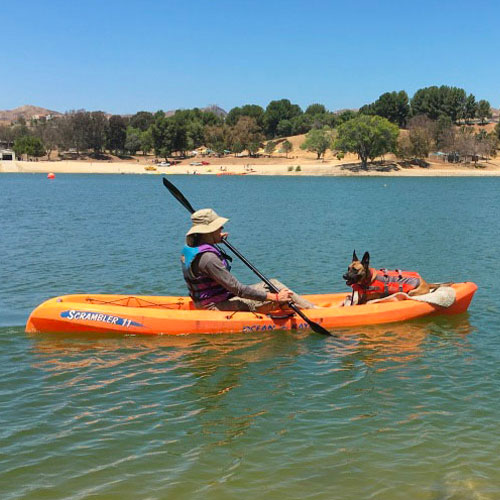
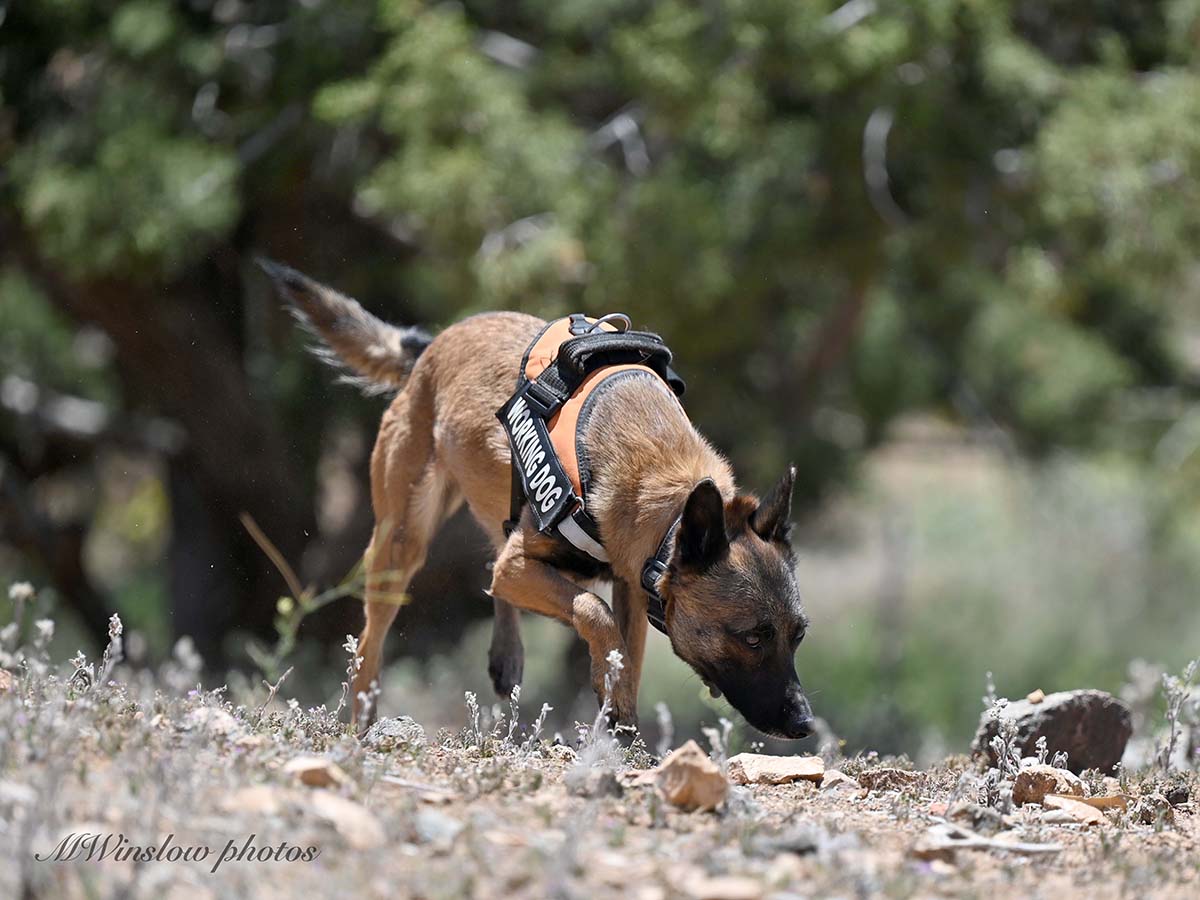
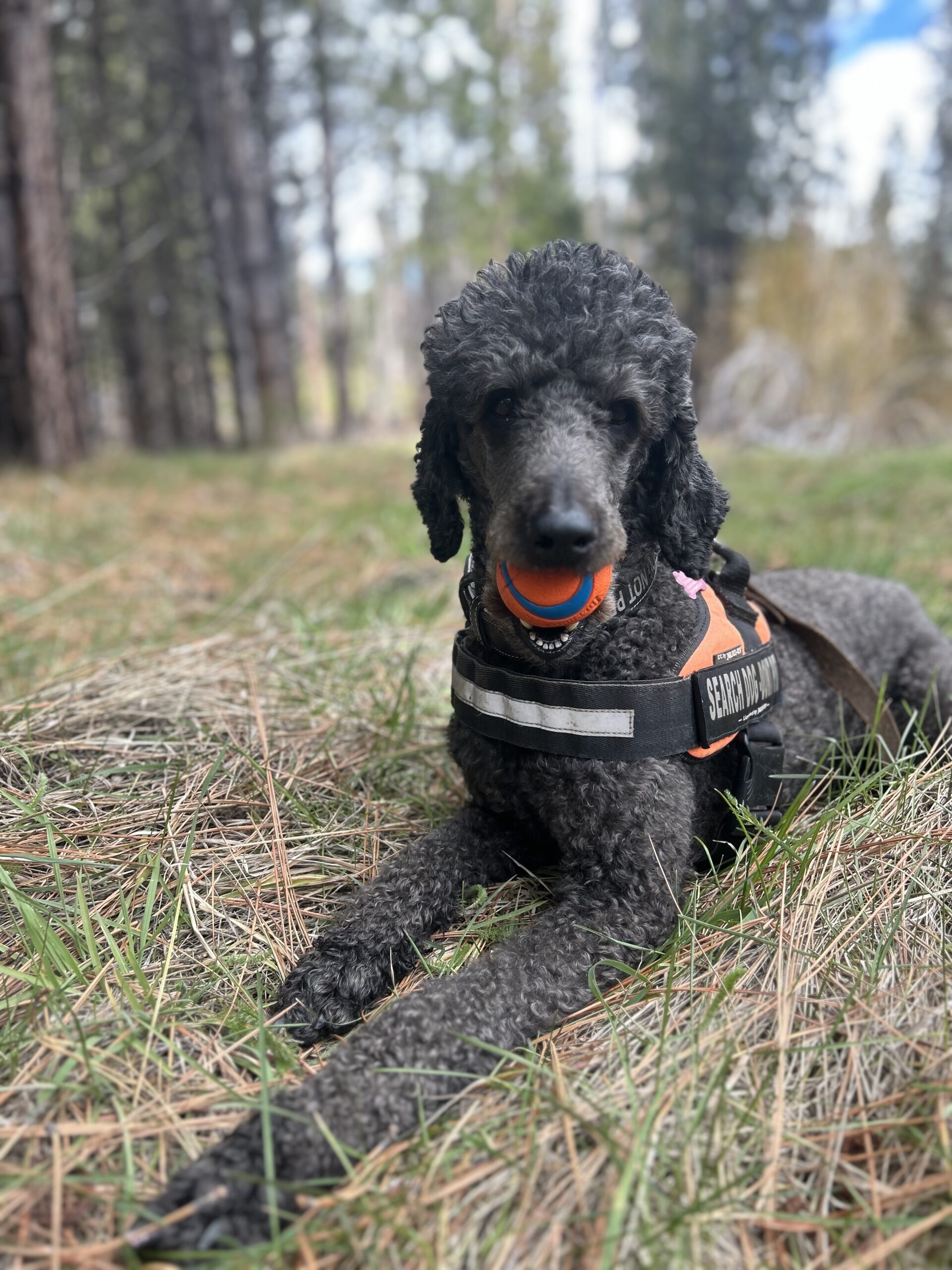
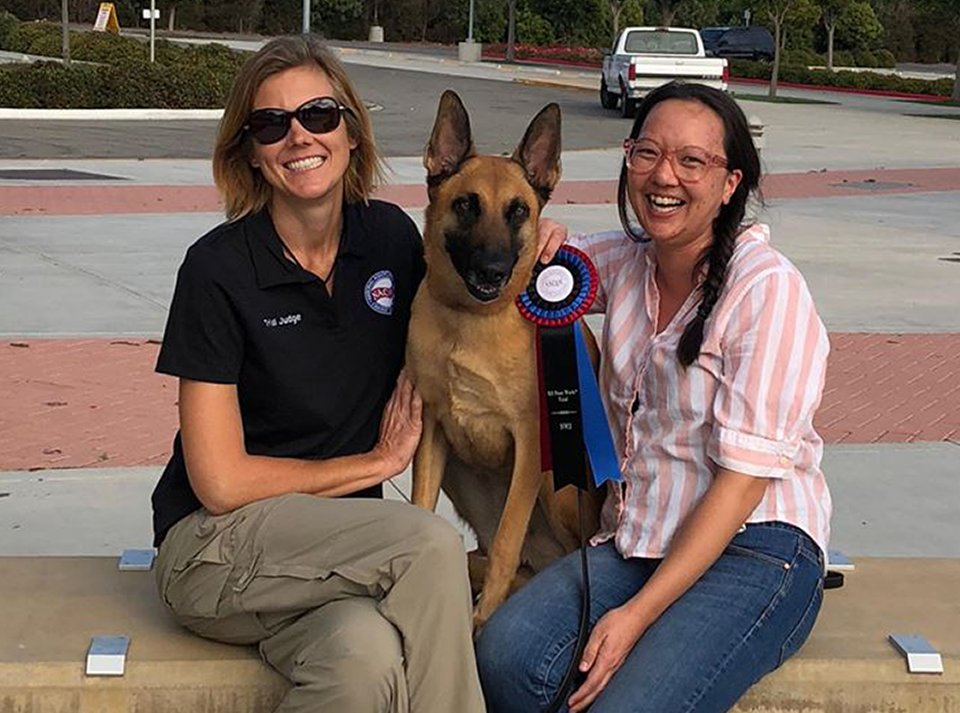
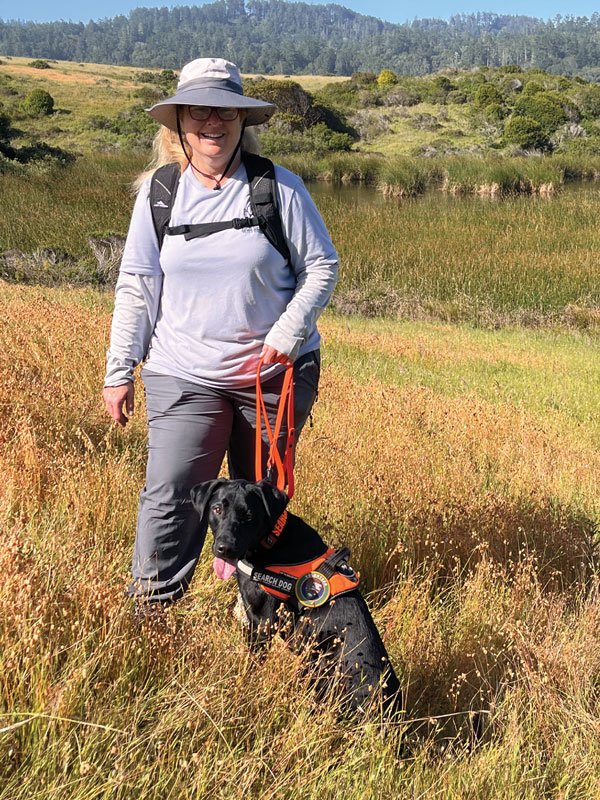
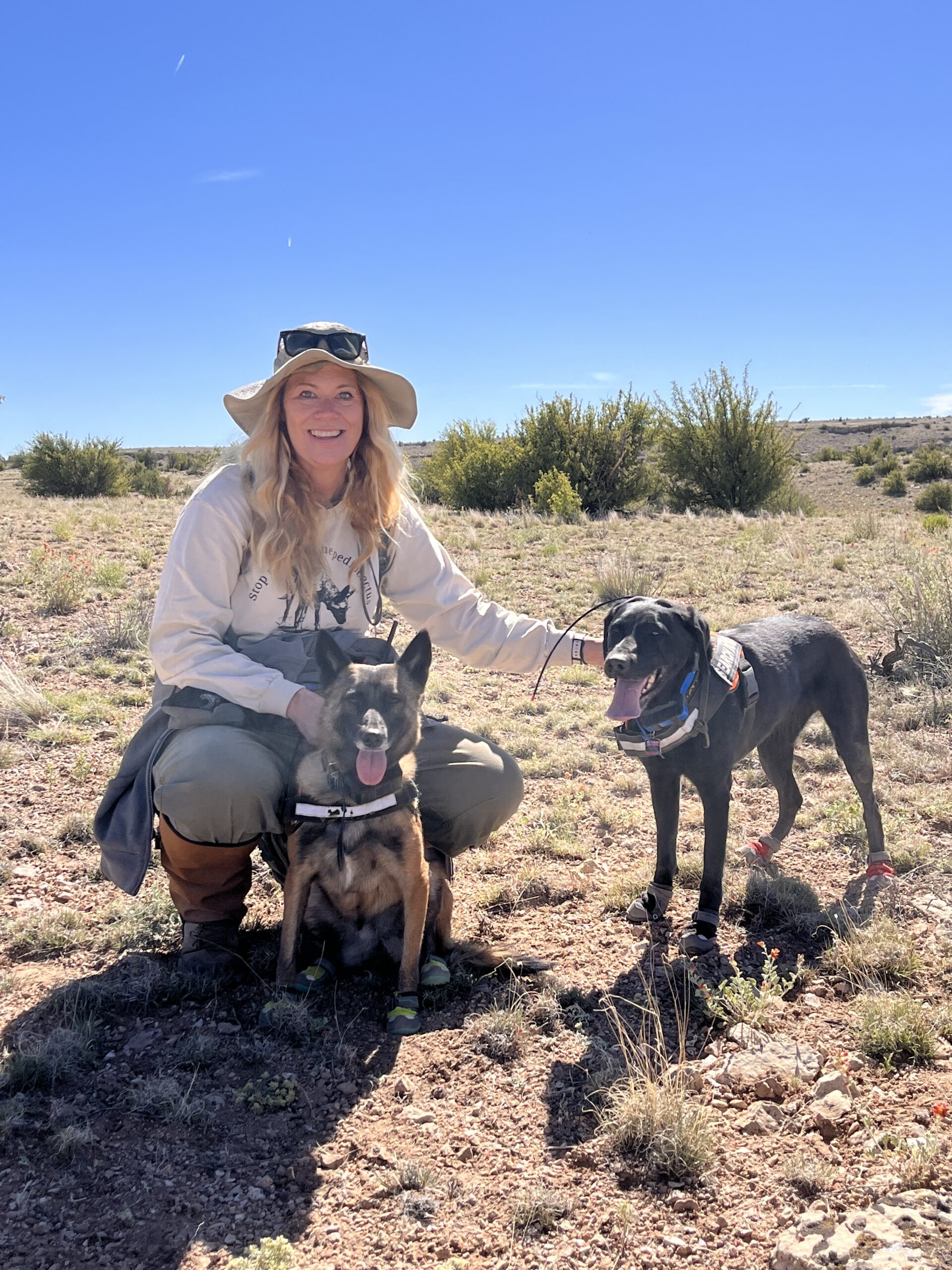
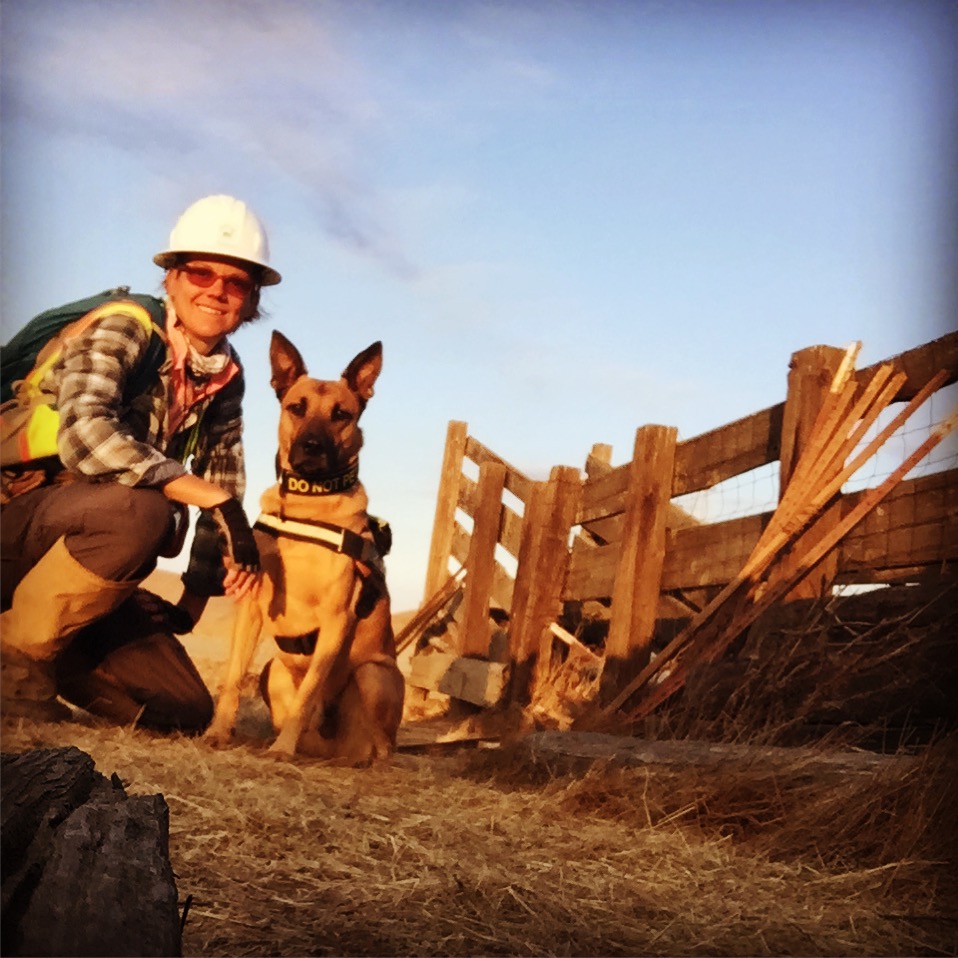
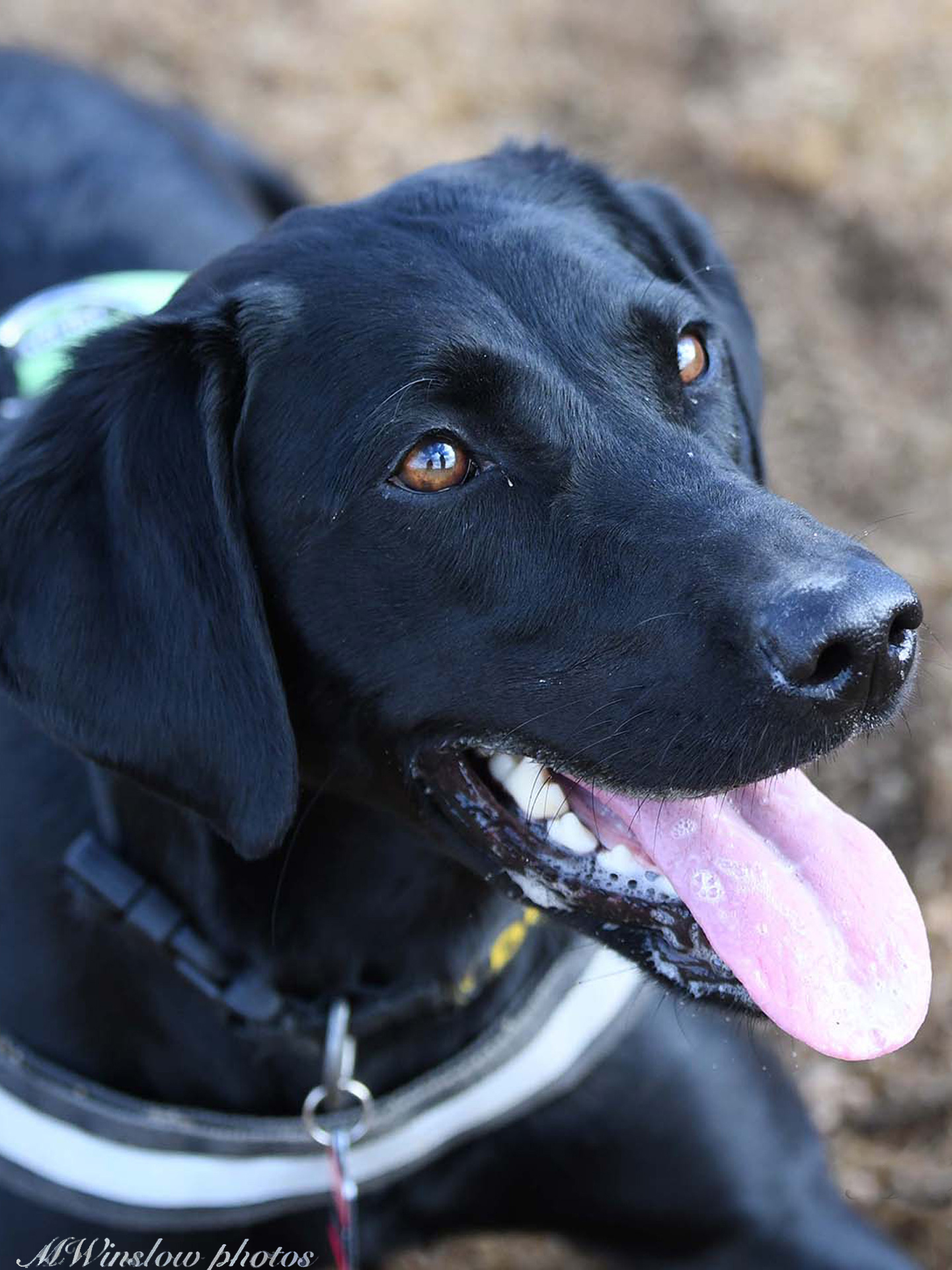
Built for the Field
Online Course in Working Dog Selection
Course Goal
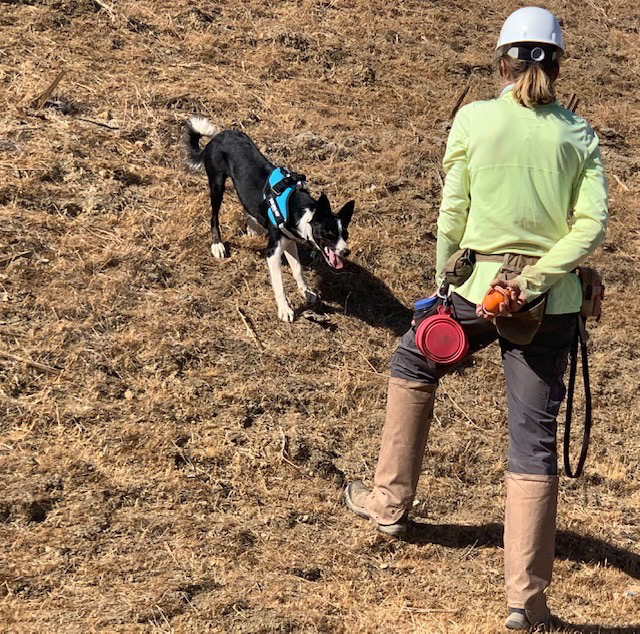
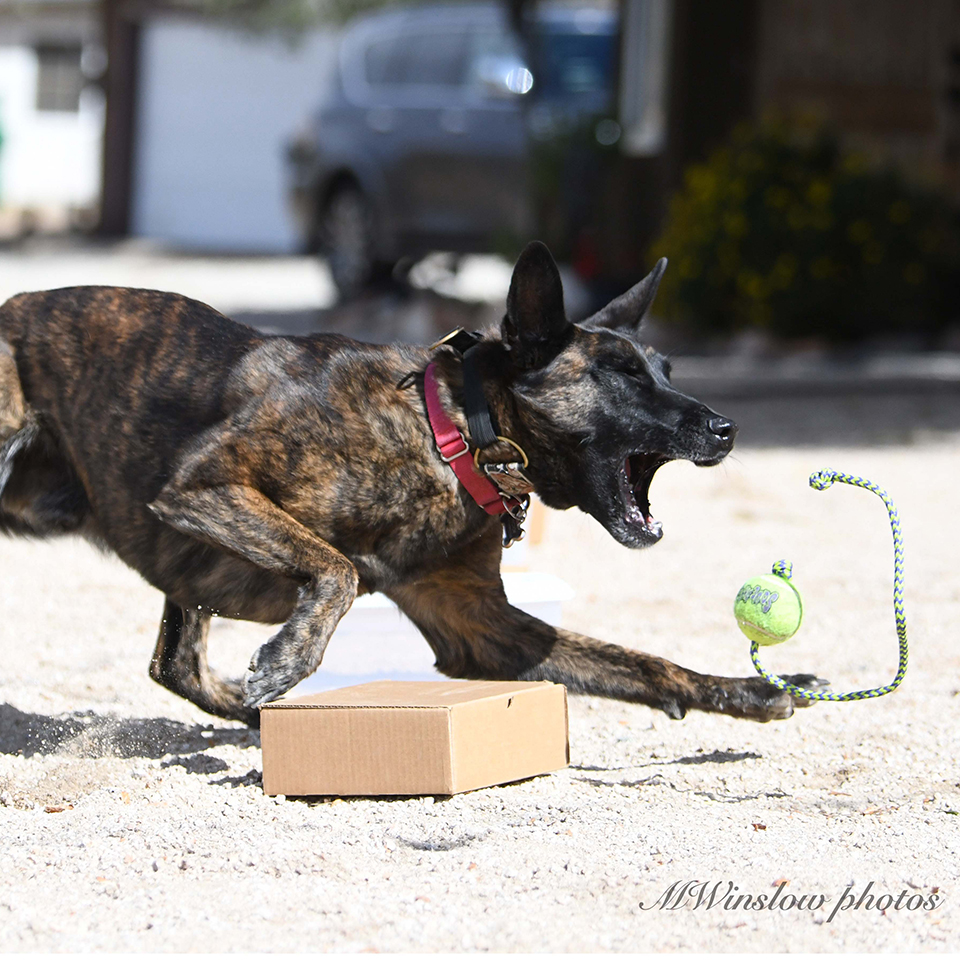
To provide dog trainers, handlers, and evaluators with the information, process, and step-by-step protocols to identify, evaluate, and select high-quality canine candidates to occupy scent detection positions in ecological, biological, and wildlife applications.
Mission of the Course
We seek to enhance scent detection dog selection by providing a professional, ethical, and evidence-based assessment evaluation protocol. The course safeguards evaluators from expensive errors, promotes canine well-being, and positions dogs to excel.
Who This Course Is For
This course is designed for detection dog professionals who wish to enhance their knowledge in assessing and selecting scent detection dog candidates for ecological, biological, and wildlife disciplines.
Organizations and agencies that are reliant on scent detection dogs of other disciplines can also benefit from this course.
Competitive scent sport handlers could find assistance in selecting an appropriate future canine partner through this course.
Animal rescue and shelter staff will be helped by this course, too. Learning how to identify potential working dogs in a shelter environment can lead to successful adoptions of some of the more challenging dogs who might require a working home to thrive.
Why It’s Important
The instructions and protocols laid out in this program can help to sidestep expensive errors and conduct more successful scent detection dog operations.
Proper dog selection saves time, money, and angst. This course helps to improve the evaluation of dogs and to place them in the right occupations where they can shine. It’s all about finding mutually rewarding matches between people, dogs, and projects.
What is Included
Eight In-Depth Modules
Video Examples and Demos
Online Support and Feedback
Downloadable Protocols and Forms
Lifetime Access
Click on the link below to begin.
Module One
Welcome!
Welcome to Built for the Field! This is your first step to discover the best methods to properly evaluate and select the right dog for your job. This module is your course orientation. It will familiarize you with what the course us all about, what you will learn, and what practical skills you can develop…
Lesson 1 of 10 within section Module One.
You must enroll in this course to access course content.
Course Format
Module One: Course Format This course consists of 8 modules each with 6-9 lessons. Modules contain information, videos, quizzes, and downloadable worksheets and protocols. The course culminates with a final exam to cement learning. It is a self-paced, easy-to-use format so that you can learn without feeling overwhelmed or rushed.Checklists and worksheets should be filled…
Lesson 2 of 10 within section Module One.
You must enroll in this course to access course content.
Course Content
Module One: Course Content This course was developed to respond to a need within the working dog community. Many individuals wish to utilize dogs for scent work, but not everyone knows how, or where, to find the proper prospect. Far too many programs and individuals waste valuable resources and time on dogs that are not…
Lesson 3 of 10 within section Module One.
You must enroll in this course to access course content.
Instructor Background
Module One: Instructor Background The course instructor and owner of k9inSCENTive, Lauralea Oliver, has over three decades of education and experience in dog training and behavior, and canine scent detection. She specializes in the evaluation of candidate canines for behavior screening and as detection work prospects. Lauralea's knowledge shared in this course is a result…
Lesson 4 of 10 within section Module One.
You must enroll in this course to access course content.
Course Goal
Module One: Course Goal
Lesson 5 of 10 within section Module One.
You must enroll in this course to access course content.
Course Mission
Module One: Course Mission
Lesson 6 of 10 within section Module One.
You must enroll in this course to access course content.
Overview of Evaluation Protocols
Module One: Overview of Evaluation Protocols This course applies three primary protocols during dog evaluation as follows: play motivation, food motivation, and behavior testing. They all apply to different facets of the dog. These primary assessment protocols also suss out the dog's natural, or innate, search style and capacity.The play protocol determines the level at…
Lesson 7 of 10 within section Module One.
You must enroll in this course to access course content.
Why Proper Canine Selection Matters
Module One: Why Proper Candidate Selection Matters The secret to any successful scent detection work is finding the right dog for the job. A dog could be highly motivated, highly energetic, or highly focused, but if its disposition is not matched to the task, it will likely struggle or fail. It is not just about…
Lesson 8 of 10 within section Module One.
You must enroll in this course to access course content.
FAQ (Frequently Asked Questions)
Top 10 FAQs About Detection Dog Selection What happens if a dog doesn’t pass the evaluation and/or trial periods? Not every dog is suited for full-time detection work. A dog that fails to meet program standards is not a failure. Many thrive in sporting, therapy, volunteer, or family roles. Placement should match the dog’s abilities…
Lesson 9 of 10 within section Module One.
You must enroll in this course to access course content.
Navigation & Support
How to Navigate the Course & Get Support All the modules are presented sequentially, and you can progress through the modules one by one. There is even a method of monitoring your progress and returning to any lesson you want to repeat.Throughout the course, you will discover downloadable worksheets and checklists. They are your best…
Lesson 10 of 10 within section Module One.
You must enroll in this course to access course content.
Module Two
Module Two: Overview
Module Two: Overview In this module, you will learn how working canines have contributed to ecological efforts globally in the past, how their presence has expanded in the present, and how they will continue to contribute in the future. Dogs have been utilized to support conservation, agriculture, and scientific study for the past century. In…
Lesson 1 of 8 within section Module Two.
You must enroll in this course to access course content.
Lesson 1: The History of Ecological Scent Detection Dogs
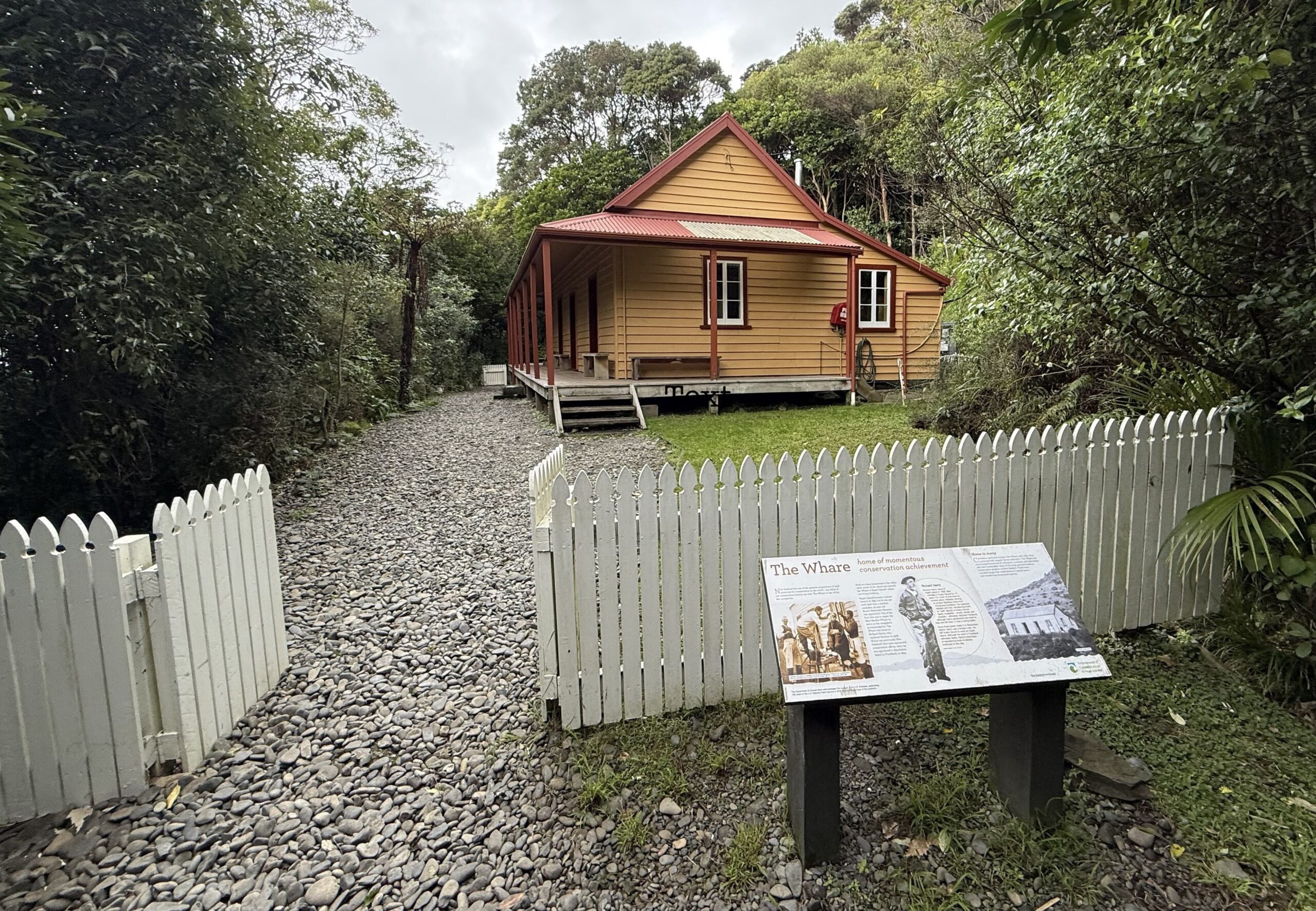
Module Two: Lesson 1 The History of Ecological Scent Detection Dogs Historically, New Zealand was the first country to use dogs to assist in wildlife conservation beginning as far back as the 1890’s. Richard Henry, a then wildlife manager, trained and deployed the first conservation scent detection dogs to locate ground dwelling Kiwi and Kakapo.…
Lesson 2 of 8 within section Module Two.
You must enroll in this course to access course content.
Lesson 2: Expansion of Detection Work in Recent Decades
Module Two: Lesson 2 Expansion of Detection Work in Recent Decades In recent years, the adoption of scent detection dogs has grown exponentially, more than in any previous period in time. What were once modest one-time efforts are becoming standardized methodologies around the globe. Dogs are regularly being trained to aid with academic study, government…
Lesson 3 of 8 within section Module Two.
You must enroll in this course to access course content.
Lesson 3: The Challenge of No Accreditation Standards
Module Two: Lesson 3 The Challenge of No Accreditation Standards https://youtu.be/q4ZOEv4bWog Unlike fields such as search and rescue or narcotics detection, the speciality of ecological scent detection does not have an official national or state accreditation system in the United States. This means there is no universal test to prove the quality of dogs…
Lesson 4 of 8 within section Module Two.
You must enroll in this course to access course content.
Lesson 4: The Need for Objective Standards
Module Two: Lesson 4 The Need for Objective Standards Objective standards give everyone a fair way to measure quality. When evaluators use clear parameters, they remove bias from the process. Instead of relying on “gut feelings,” they look at actual performance and behavior. These facts give a clearer picture of the dog’s abilities. An evaluator…
Lesson 5 of 8 within section Module Two.
You must enroll in this course to access course content.
Lesson 5: k9inSCENTive’s Approach to Selection Criteria
Module Two: Lesson 5 k9inSCENTive’s Approach to Selection Criteria K9inSCENTive developed a set of standards to solve these challenges. These standards have been adopted by a number of agencies to assist in their own decisions about which dogs to hire. The goal is to create clear, fair, and evidence-based methods for evaluating dogs. These methods are…
Lesson 6 of 8 within section Module Two.
You must enroll in this course to access course content.
Module Two: Summary
Module Two: Summary Ecological scent detection dogs have a long history, but have grown rapidly in the last three decades. There are no accreditation standards for ecological detection dog teams in the United States, which makes consistency a challenge. Programs differ in methods, objective standards are needed for fairness. K9inSCENTive created a structured approach to…
Lesson 7 of 8 within section Module Two.
You must enroll in this course to access course content.
Module Two Quiz
Module Two Quiz
Lesson 8 of 8 within section Module Two.
You must enroll in this course to access course content.
Module Three
Module Three: Overview
Module Three: Overview Determining Your Project or Organizational Goals In this module you will see how before you begin evaluating any scent detection dog, you must first define project goals. These goals will guide the selection of the right dog to meet your needs. Without clear goals, it is easy to waste time, money, and…
Lesson 1 of 7 within section Module Three.
You must enroll in this course to access course content.
Lesson 1: Why Defining Goals is the First Step
Module Three: Lesson 1 Why Defining Goals is the First Step Every project starts with a purpose. Defining this objective gives direction and stability in the choices that will be made to support them. Defined goals help you make smart choices that are based on real needs instead of guesswork or assumptions. A vague goal, such…
Lesson 2 of 7 within section Module Three.
You must enroll in this course to access course content.
Lesson 2: Building Clear Criteria to Reach Goals
Module Three: Lesson 2 Building Clear Criteria to Reach Goals Once goals are set, then criteria can be established. Set criteria are the rules by which the project goals will be achieved. The criteria become the standards by which canine selection can be guided. Without them, selection has no direction. Derive Criteria From the Goal…
Lesson 3 of 7 within section Module Three.
You must enroll in this course to access course content.
Lesson 3: Using Goals and Criteria to Guide Evaluation
Module Three: Lesson 3 Using Goals and Criteria to Guide Evaluation Once goals are set, they must guide canine evaluation. Think of goals as a road map. They show where you are going and keep you from getting lost. Let Criteria Shape Selection Just as a vague job posting invites the wrong applicants, vague sourcing…
Lesson 4 of 7 within section Module Three.
You must enroll in this course to access course content.
Lesson 4: Balancing Human Goals with Canine Agency
Module Three: Lesson 4 Balancing Human Goals with Canine Agency Detection programs exist to meet human goals. The dog’s work supports the mission. But dogs are not machines. They are living, thinking beings with their own preferences and emotions. Recognizing this is essential for ethical practice. A dog’s cooperation should come from willingness, not compulsion.…
Lesson 5 of 7 within section Module Three.
You must enroll in this course to access course content.
Module Three: Summary
Module Three: Summary Clear goals lead to clear criteria. Well-established goals and criteria will guide selection to the most well-suited candidate dog. Project goals must always lead to measurable operational outcomes Dog are partners, not tools. To be considered ethical, evaluators, trainers and handlers must allow dogs to have agency over their participation in evaluations,…
Lesson 6 of 7 within section Module Three.
You must enroll in this course to access course content.
Module Three Quiz
Module Three Quiz
Lesson 7 of 7 within section Module Three.
You must enroll in this course to access course content.
Module Four
Module Four: Overview
Module Four: Overview Selecting a Canine Candidate to Reach Your Goals and Meet Your Criteria Selecting the right dog for a scent detection project is one of the most important steps in building a successful program. A good match between the dog and the job means training is smoother, the dog enjoys the work, and…
Lesson 1 of 10 within section Module Four.
You must enroll in this course to access course content.
Lesson 1: Matching Dogs to Jobs and Why it Matters
Module Four: Lesson 1 Matching Dogs to Jobs and Why it Matters Choosing the right dog for the right job is one of the most important steps in scent detection work. Think of it like putting the right key into the right lock. Every dog is unique. Some dogs have high energy, while others…
Lesson 2 of 10 within section Module Four.
You must enroll in this course to access course content.
Lesson 2: Aligning Candidate Strengths with Program Needs
Module Four: Lesson 2 Aligning Candidate Strengths with Program Needs Every dog comes with natural strengths. Some charge into new environments with bold energy. Others prefer to move slowly, taking their time to explore carefully. Neither style is better on its own. The evaluator’s job is to notice these qualities and connect them with the…
Lesson 3 of 10 within section Module Four.
You must enroll in this course to access course content.
Lesson 3: Ethics and Transparency
Module Four: Lesson 3 Ethics and Transparency Every project that uses dogs has ethical responsibilities. These responsibilities are not optional. They shape how the work is performed and serve to protect both the dogs, the people involved, and the field as a whole. Ignoring these responsibilities can create serious problems. By understanding these expectations, evaluators…
Lesson 4 of 10 within section Module Four.
You must enroll in this course to access course content.
Lesson 4: Defining Ethics in Working Dog Selection
Module Four: Lesson 4 Defining Ethics in Working Dog Selection Ethics is about doing what is right, fair, and responsible. In working dog programs, ethics should guide every decision. It is not just about achieving results. It is about the process used to reach them. Dogs are partners in work. Respecting them is the foundation…
Lesson 5 of 10 within section Module Four.
You must enroll in this course to access course content.
Lesson 5: The Link Between Dog Welfare and Selection Success
Module Four: Lesson 5 The Link Between Dog Welfare and Selection Success Dog welfare and program success are directly connected. A program that respects the needs of dogs will always achieve better results than one that ignores them. When dogs are carefully selected, they enjoy their work and remain healthy both physically and mentally. They…
Lesson 6 of 10 within section Module Four.
You must enroll in this course to access course content.
Lesson 6: The Role of the Evaluator
Module Four: Lesson 6 The Role of the Evaluator Evaluators hold a powerful role in working dog programs. Their decisions directly shape the future of each dog and even of that dog's future handler. A dog’s career, opportunities, and well-being depend on fair and thoughtful evaluations. The evaluator’s recommendations come with a heavy responsibility. They…
Lesson 7 of 10 within section Module Four.
You must enroll in this course to access course content.
Lesson 7: Communicating Results
Module Four: Lesson 7 Communicating Results Clear communication is just as important as good evaluation. Handlers and organizations need honest information about the dog. Transparency builds trust. Professional reports are a key tool for evaluators. They turn raw observations into useful information. Reports should be clear, objective, and easy to understand. Avoid vague terms. Instead,…
Lesson 8 of 10 within section Module Four.
You must enroll in this course to access course content.
Module Four: Summary
Module Four: Summary Selecting the right dog for a scent detection project is one of the most important steps in building a successful program. Clear communication is just as important as good evaluation. Transparency builds trust. Evaluators hold immense responsibility in working dog programs. Accountability, transparency, consistency, and lifelong learning are essential. Allowing the dog…
Lesson 9 of 10 within section Module Four.
You must enroll in this course to access course content.
Module Four Quiz
Module Four Quiz
Lesson 10 of 10 within section Module Four.
You must enroll in this course to access course content.
Module Five
Overview: The Evaluation Process and Standards
Module Five: Overview The Evaluation Process and Standards The evaluation process looks at both the body and the mind of the dog. A strong body alone is not enough, just as a good personality without health is not enough. Both must come together for success. We set standards ahead of meeting a dog to avoid…
Lesson 1 of 13 within section Module Five.
You must enroll in this course to access course content.
Lesson 1. The Whole Dog Approach
Module Five: Lesson 1 The Whole Dog Approach A strong evaluation must look at the whole dog. This means checking physical health, sociability, behavior, risk-style, motivators, and innate search skill. Physical health includes the obvious areas like skeletal and joint structure, organ systems, muscle tone, stamina, and a review of any past injuries or illnesses.…
Lesson 2 of 13 within section Module Five.
You must enroll in this course to access course content.
Lesson 2. Importance of Health and Fitness
Module Five: Lesson 2 Importance of Health and Fitness Detection dog evaluations begin with a close look at health and fitness. It is not only about finding a dog that can work today, but about ensuring the dog can have a long and successful career. The first step in evaluation is a health screening. Evaluators…
Lesson 3 of 13 within section Module Five.
You must enroll in this course to access course content.
Lesson 3: Recognizing Health Red Flags Early
Module Five: Lesson 3 Recognizing Health Red Flags Early Physical health is one of the most important factors in choosing a working dog. A dog may have the right drive, focus, and motivation, but if its body cannot handle the physical demands, the program will fail. Detection work often requires long hours, rough terrain, and…
Lesson 4 of 13 within section Module Five.
You must enroll in this course to access course content.
Lesson 4: Importance of Behavior and Sociability
Module Five: Lesson 4 Importance of Behavior and Sociability Temperament is just as important as health. A dog may have a perfect body, but if it cannot adapt to new environments, it will not succeed. A strong candidate must be comfortable around different sights, sounds, smells, people, and animals. Detection work often happens in unpredictable…
Lesson 5 of 13 within section Module Five.
You must enroll in this course to access course content.
Lesson 5: Workable Flaws vs. Deal Breakers
Module Five: Lesson 5 Workable Flaws v.s Deal Breakers Workable Flaws https://youtu.be/NsauhJ_2m4A Just like people, dogs have quirks and weaknesses that show up in different situations. Some of these are small and can be shaped with time, patience, and good handling. These workable flaws may cause small challenges at first, but can be managed with proper…
Lesson 6 of 13 within section Module Five.
You must enroll in this course to access course content.
Lesson 6. Socialization and Acclimation to New Environments
Module Five: Lesson 6 Socialization and Acclimation to New Environments A dog with healthy socialization appears as a dog with emotional balance. Some dogs are calm and curious, while others are nervous or easily distracted. A well socialized dog is steady under pressure and open to learning. Evaluators must observe how the dog reacts to…
Lesson 7 of 13 within section Module Five.
You must enroll in this course to access course content.
Lesson 7. Socialization with People
Module Five: Lesson 7 Socialization with People Working dogs must interact with people every single day. They may meet biologists, construction workers, law enforcement officers, children, etc. Because of this, people-friendliness is a core requirement in the evaluation process. A dog must show steady behavior around men, women, and children of different ages. The dog…
Lesson 8 of 13 within section Module Five.
You must enroll in this course to access course content.
Lesson 8. Socialization with Animals
Module Five: Lesson 8 Socialization with Animals Working dogs do not live or work in isolation. They will often come across other animals during their service. These may include cats in a home, livestock in rural areas, or other dogs in crowded spaces. Because of this, animal-to-animal behavior must be part of every evaluation. Calm…
Lesson 9 of 13 within section Module Five.
You must enroll in this course to access course content.
Lesson 9. Importance of Innate Search and Motivation
Module Five: Lesson 9 Importance of Innate Search and Motivation Motivation in search dogs is typically built and sustained through a system of reward-based reinforcement rather than relying on instinct alone. Most working dogs are driven by some combination of play (a toy, tug, or ball), food, or both (dual reward). Many dogs also receive…
Lesson 10 of 13 within section Module Five.
You must enroll in this course to access course content.
Lesson 10: The Six Key Attributes of the Ideal Scent Dog
Module Five: Lesson 11 The Six Key Attributes of the Ideal Scent Dog Physical Structure: The first attribute is good physical structure. Scent detection work can be physically demanding, often requiring long hours of walking, climbing, or navigating uneven ground. Dogs need strong joints, healthy posture, and balanced body proportions to work safely and effectively.…
Lesson 11 of 13 within section Module Five.
You must enroll in this course to access course content.
Module Five: Summary
Module Five: Summary A strong evaluation must look at the whole dog. This means checking physical health, sociability, behavior, risk-style, motivators, and innate search skill. The first step in evaluation is a health screening. Veterinary exams and consults are an important part of candidate screening. Genetic testing can be a very useful tool in selecting…
Lesson 12 of 13 within section Module Five.
You must enroll in this course to access course content.
Module Five Quiz
Module Five Quiz
Lesson 13 of 13 within section Module Five.
You must enroll in this course to access course content.
Module Six
Evaluation Protocols Overview
Module Six: Overview Evaluation Protocols This module focuses on how to put evaluation into action and learning to use the evaluation protocols provided in this course. These protocols have been tested, refined, and shown to give clear results when applied the right way. The goal is to help evaluators follow a reliable process step-by-step. By…
Lesson 1 of 11 within section Module Six.
You must enroll in this course to access course content.
Lesson 1: Sociability and Behavioral Assessment
Module Six: Lesson 1 Sociability and Behavioral Assessment Behavioral assessment is the step where we look closely at how a dog acts in different situations. A dog may have strong health and good structure, but if it does not react safely, it cannot be trusted for detection work. This test shows how the dog behaves…
Lesson 2 of 11 within section Module Six.
You must enroll in this course to access course content.
Lesson 2: Risk-Style Assessment
Module Six: Lesson 2 Risk-Style Assessment Risk Takers Dogs, just like people, show different levels of comfort when entering new situations. Some dogs love change. They charge into new places with tails wagging and noses working at full speed. These are the risk-takers. They do not hesitate to explore a room, a field, or a…
Lesson 3 of 11 within section Module Six.
You must enroll in this course to access course content.
Lesson 3: Motivation Test: Food vs. Toy
Module Six: Lesson 3 Motivation Test: Food vs. Toy Every working dog needs a reason to give their best effort. Just as people expect payment for doing their job, dogs expect rewards for theirs. Rewards are the “paycheck” that keeps them motivated. Without them, the dog may lose focus or even stop working altogether. For…
Lesson 4 of 11 within section Module Six.
You must enroll in this course to access course content.
Lesson 4: Search Evaluation
Module Six: Lesson 4 Search Evaluation The search evaluation is the final step in the process. Selecting a dog that can succeed as ecological, biological, or wildlife scent detection dogs means selecting a dog that has an innate desire to hunt. The evaluation must be done in a safe outdoor location where the dog can…
Lesson 5 of 11 within section Module Six.
You must enroll in this course to access course content.
Lesson 5: Search Evaluation Protocol Using Food
Module Six: Lesson 5 Search Evaluation Protocol Using Food If the dog has shown a strong preference for food as a motivator in the previous Motivator Assessment, the search evaluation using food is an important part of testing. It shows how much a dog values food and how willing it is to work to earn…
Lesson 6 of 11 within section Module Six.
You must enroll in this course to access course content.
Lesson 6: Full Search Evaluation Using Food Example: Muon
Module Six: Lesson 6 Full Search Evaluation Using Food Example: Muon Food motivation is one of the most important traits for a working scent dog. A dog with a strong food drive can be easily imprinted on a target odor, will stay focused on repeating tasks longer, and ignore distractions in the environment. This full…
Lesson 7 of 11 within section Module Six.
You must enroll in this course to access course content.
Lesson 7: Search Evaluation Protocol Using Toys
Module Six: Lesson 7 Search Evaluation Protocol Using Toys If the dog has shown a strong preference for toys and play as a motivator in the previous Motivator Assessment, the search evaluation using toys is an important part of testing. It shows how much a dog values toys and play and how willing it is…
Lesson 8 of 11 within section Module Six.
You must enroll in this course to access course content.
Lesson 8: Full Search Evaluation Protocol Using Toys: Circe
Module Six: Lesson 8 Full Search Evaluation Protocol Using Toys: Circe In this example a female Labrador retriever named Circe was tested. Circe's evaluation is broken into the three main tests: toy retrieve, toy possession, and toy search tests. Each part has clear passing and non-passing responses. Test 1: Retrieve Test Retrieve 1 Results: Fast,…
Lesson 9 of 11 within section Module Six.
You must enroll in this course to access course content.
Module Six: Summary
Module Six: Summary Key qualities evaluators can use as a starting point include: Age, Size, Health and fitness, Motivation, Sociable, Behavioral soundness, Innate search. These evaluations emphasize focus, persistence, and motivation, which are vital for real-world performance. Behavioral assessment is about finding the right fit, not perfection. A dog that is confident, social, stays engaged,…
Lesson 10 of 11 within section Module Six.
You must enroll in this course to access course content.
Module Six Quiz
Module Six Quiz
Lesson 11 of 11 within section Module Six.
You must enroll in this course to access course content.
Protocols Library and Hands-On Practice
Behavioral Assesements
Downloadable Protocol: Behavioral Assessment Click here to find the entire Behavior protocol: Behavioral Assessment_rev. 20251204 You may also download these protocols seperetely: Behavioral Assessment_Response to Humans_rev. 20251204 Behavioral Assessment_Response to Animals_rev. 20251204 Behavioral Assessment_Resource Guarding_rev. 20251204
Lesson 1 of 5 within section Protocols Library and Hands-On Practice.
You must enroll in this course to access course content.
Risk-Style Assessment
Downloadable Protocol: Risk-Style Assessment Click here to find protocol: Risk Style Evaluation_rev. 20260824
Lesson 2 of 5 within section Protocols Library and Hands-On Practice.
You must enroll in this course to access course content.
Motivation Evaluation: Food vs. Toy
Downloadable Protocol: Motivation Evaluation: Toy vs. Food Click here to find protocol: Motivation Evaluation_rev. 20260806
Lesson 3 of 5 within section Protocols Library and Hands-On Practice.
You must enroll in this course to access course content.
Search Evaluation Using Food
Downloadable Protocol: Search Evaluation with Food Protocol Click here to find the protocol: Bio Scent Dog Eval_Food Reward_rev. 20251204
Lesson 4 of 5 within section Protocols Library and Hands-On Practice.
You must enroll in this course to access course content.
Search Evaluation Using Toys
Downloadable Protocol: Search Evaluation Using Toys Click here to find the protocol: Bio Scent Dog Eval_Play Reward_rev.20251204
Lesson 5 of 5 within section Protocols Library and Hands-On Practice.
You must enroll in this course to access course content.
Module Seven
Lesson 1: Trial Periods and In-House Assessments
Module Seven: Lesson 1 Trial Periods and In-House Assessments No matter how strong the evaluation, nothing replaces real-world experience. Trial periods are a chance to see how a dog performs in the actual working environment. They provide a bridge between evaluation and placement. During trial periods, set clear goals. Handlers should know what behaviors and…
Lesson 1 of 4 within section Module Seven.
You must enroll in this course to access course content.
Lesson 2. Responsible Placement of Non-Passing Dogs
Module Seven: Lesson 3 Responsible Placement of Non-Passing Dogs So it happens that a dog who passes initial evaluation and is brought in for an in-house trial period, may ultimately not succeed in a scent detection program. This is a normal, expected and often difficult part of detection programs. Failing does not mean the dog…
Lesson 2 of 4 within section Module Seven.
You must enroll in this course to access course content.
Module Seven: Summary
Module Seven: Summary Programs with strong evaluator ethics gain trust and longevity. The culture of care begins with the evaluator. Trial periods protect the welfare of the dog and the success of the program. They ensure that both sides have time to adjust before a long-term commitment. Evaluators must commit to a career of accountability,…
Lesson 3 of 4 within section Module Seven.
You must enroll in this course to access course content.
Module Seven Quiz
Module Seven Quiz
Lesson 4 of 4 within section Module Seven.
You must enroll in this course to access course content.
Module 8: Final Exam
Final Exam: Part 1
Final Exam: Part 1
Lesson 1 of 2 within section Module 8: Final Exam.
You must enroll in this course to access course content.
Final Exam: Part 2
Final Exam: Part 2
Lesson 2 of 2 within section Module 8: Final Exam.
You must enroll in this course to access course content.
Course Extras