
Avian and Bat Fatality Monitoring: Solar Sites
Mortality studies are required for renewable energy sites in an effort to determine the impact of these sites on local and migratory birds.

Target Species:
Location:
Project Partners:
SCENTdog Teams:
Study Overview:
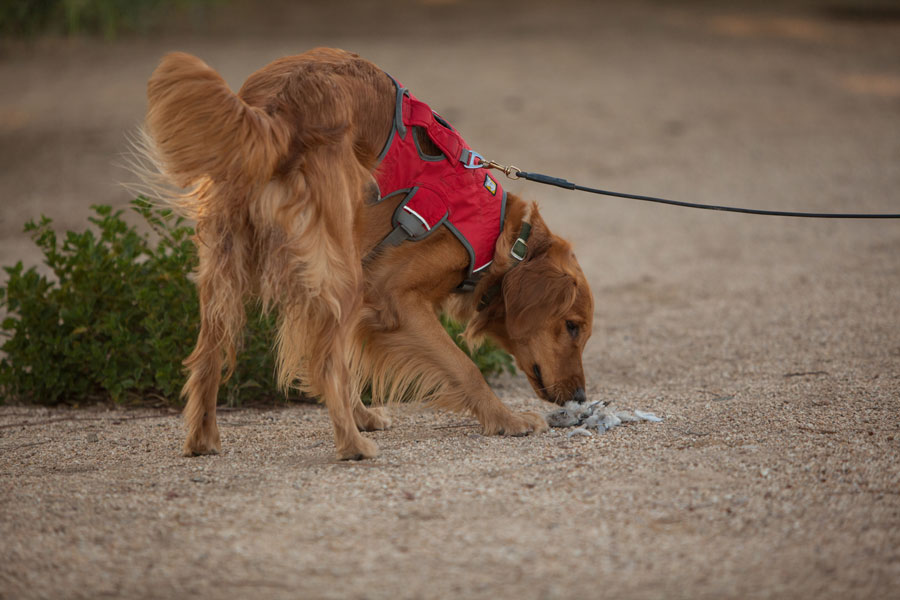
For years human surveyors were deployed at a particular solar farm in the Mojave desert to conduct environmental impact studies. It is well known that migrating and resident birds can be negatively impacted by the operation of renewable energy sites. By searching for and collecting these avian fatalities, agencies can make modifications and improvements to their operating procedures and to the design of future energy producing sites and equipment. It is critical that these fatality estimates be as precise as possible which necessitates the need for thorough data collection. As would be expected, human surveyors focused their attention to the ground and to areas in close proximity to and within the solar fields, basically were their preconceived bias informed the search. Large carcasses and those that were highly visible were easily found by humans. However, when ecological detection canines began assisting with these surveys, things changed dramatically. Not only were the canines finding small, cryptic and desiccated fatalities, they were also finding them well outside of the areas where humans had been previously focused yet still within the study areas. The scent dogs were also making finds in unusual places. Carcasses that had been tucked out of visual range into tall equipment supports by local avian scavengers were discovered quickly by the canines. Prior to the dog work, this natural phenomenon was not documented, and these casualties had not been included into the yearly fatality estimators. The canines broadened the scope of the work by exposing the need to increase the areas which were being regularly monitored.