
E. Coli (Waste water detection)
Target Species:
Location:
Project Partners:
SCENTdog Teams:
Study Overview:
Water Quality Inspection for E. Coli Using A Trained Scent Detection Canine
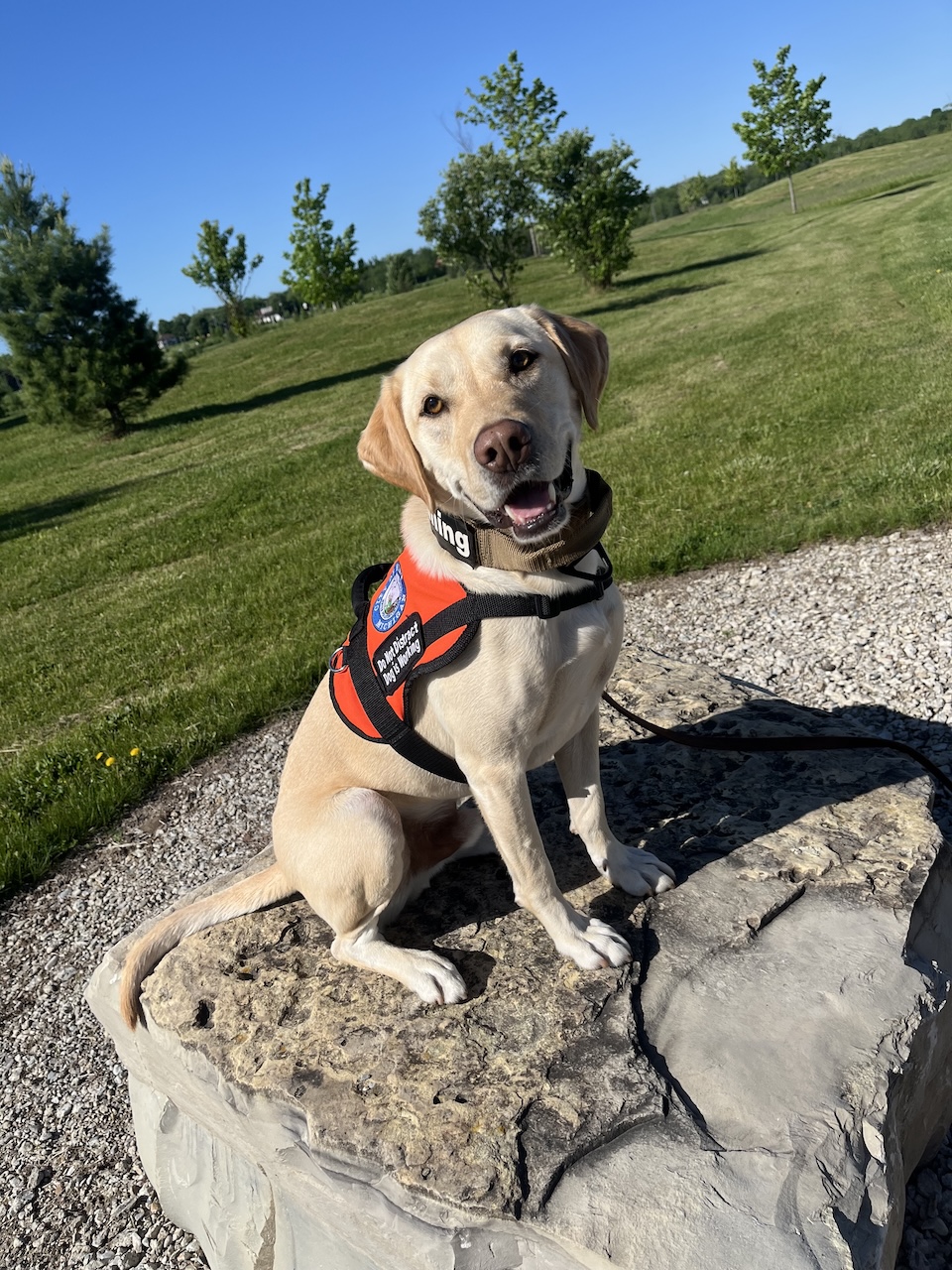
To improve both the effectiveness and the efficiency of the City of Flint- Water Pollution Control’s E. coli monitoring efforts, a canine specialized in the detection of human waste will be utilized. The creation of the City of Flint- Water Pollution Control’s Canine Scent Tracking Program will use a Sniffer Dog to establish a more efficient way to locate and eliminate sources of human fecal contamination in the surface waters within the City of Flint- Water Pollution Control, a Phase I storm water area. The water bodies that will be positively impacted by this project are Brent Run, Carmen Creek, Carr Drain, Flint River, Gilkey Creek, Kearsley Creek, Swartz Creek, and Thread Creek which collectively embody 19,748 acres of surface water.
The pollutant being addressed by this project is E. coli. The Sniffer Dog would be able to detect the presence of human fecal matter and alert handlers to its presence at any of the City’s 345 outfalls, 8,338 manholes, or 14,962 catch basins. The positive alert for human fecal matter would be an indicator of the presence of E. coli and direct Illicit Discharge Elimination Program (IDEP) staff to perform immediate source tracing.
There are also safety benefits that would be realized with the implementation of this program. Because the canine will be able to detect fecal matter in pipes that are located up to 20 feet below ground, all detection could be done from the surface. This minimizes the need for confined space entry. Further, the dog would be able to access and alert on areas that are inaccessible or unsafe for humans. The dog will be at our disposal as needed and will be used to help identify and trace future issues of fecal contamination as they arise. The sniffer dog’s services will be made available to surrounding municipalities to assist in particularly difficult source tracing investigations.
The City believes that opportunities to engage the public in clean water initiatives will skyrocket as the dog would increase interest,excitement, and participation in outreach programs. The canine will also be a natural complement to existing resources allowing for the more effective use of our sewer camera and outreach materials
Project Media