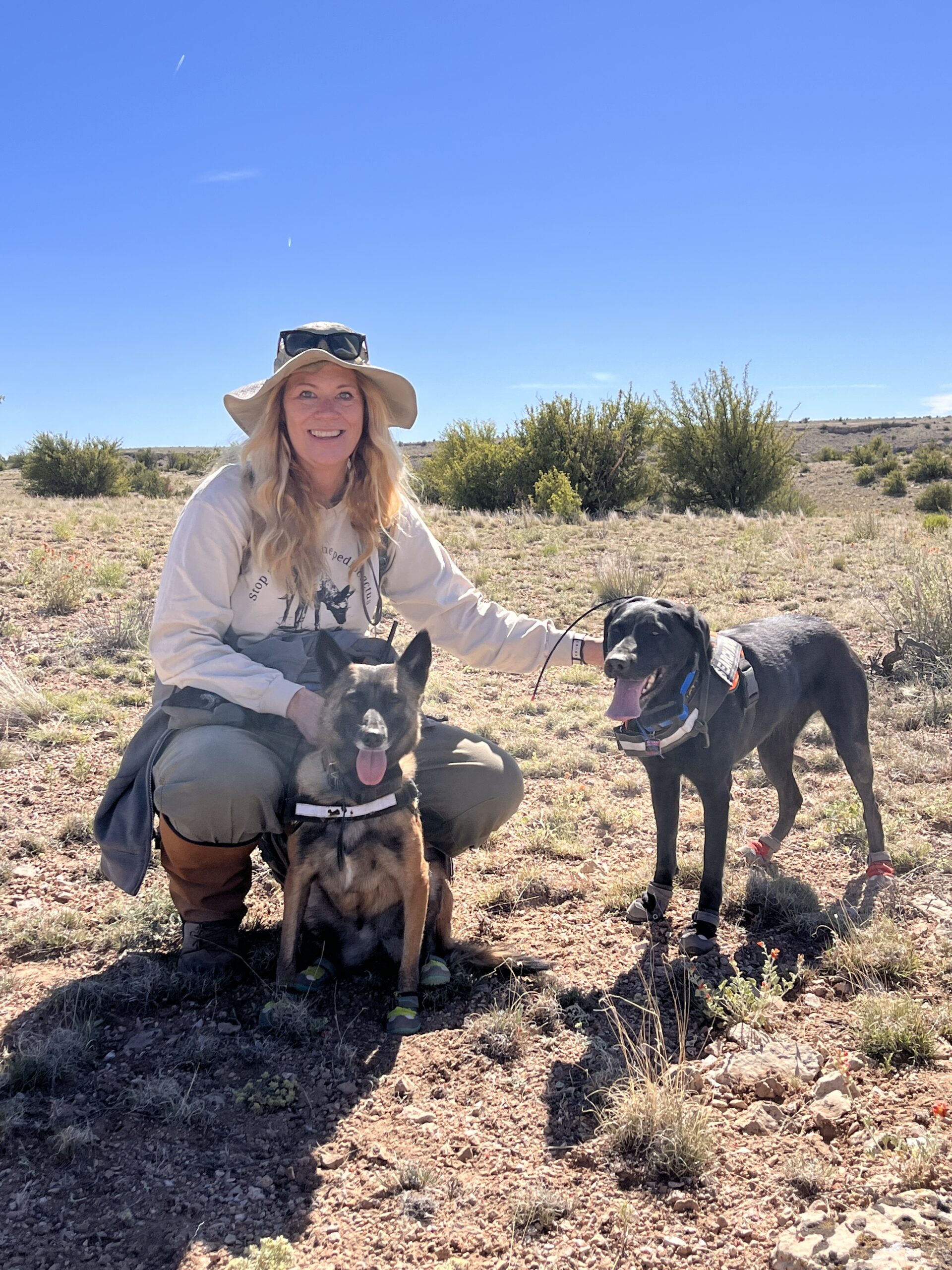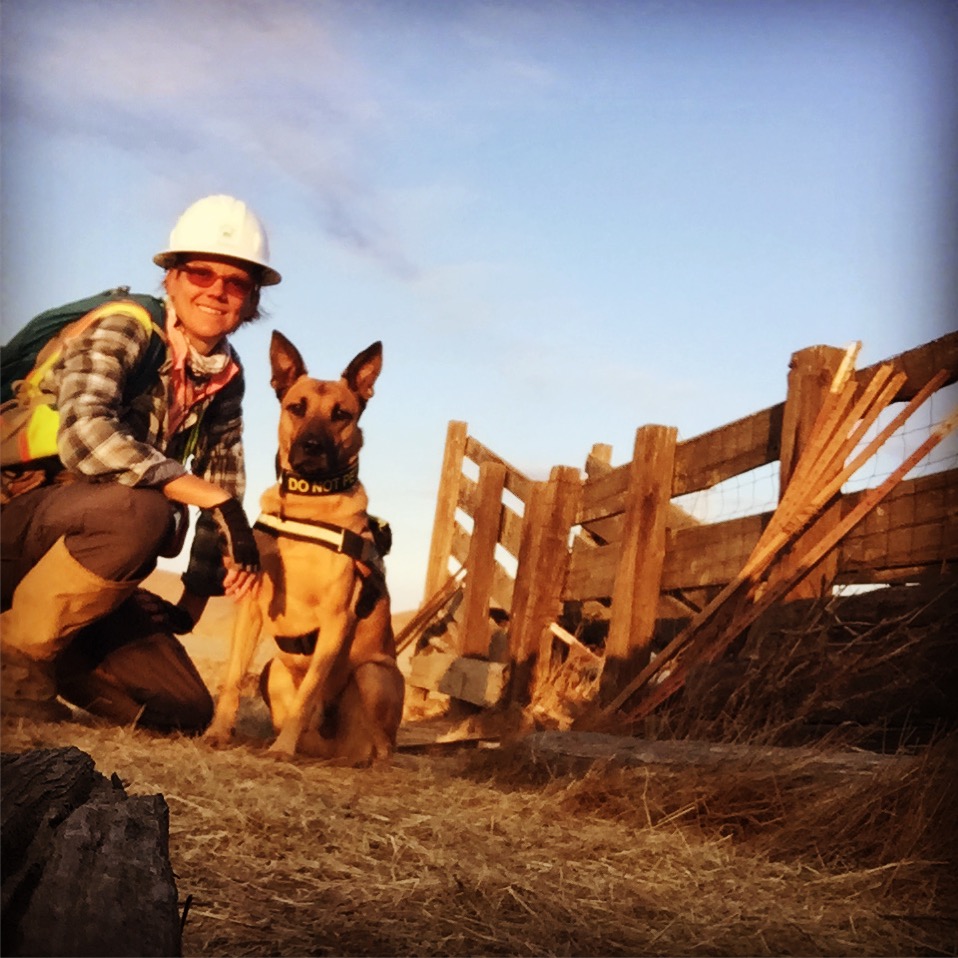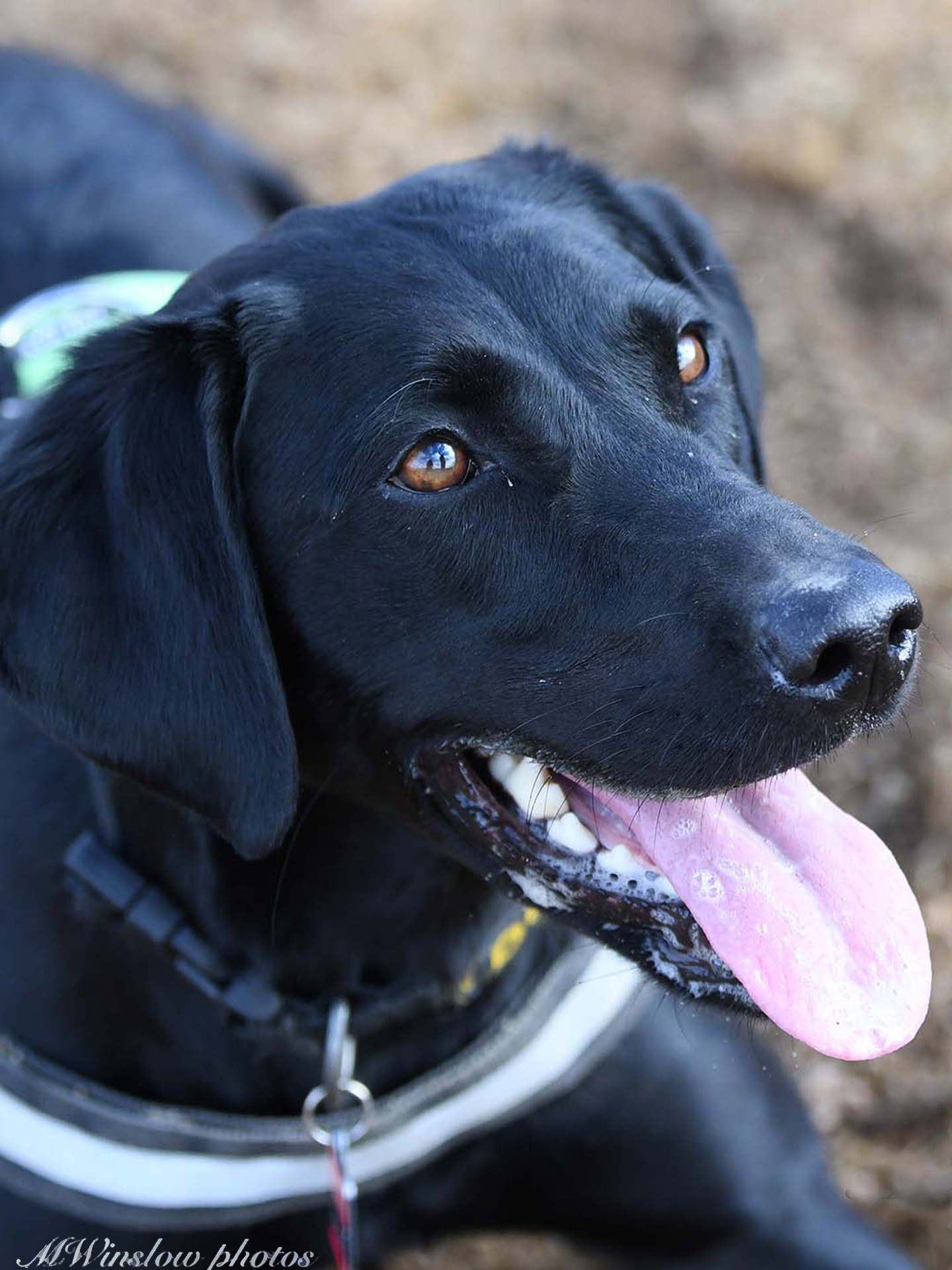
- You must enroll in this course to access course content.
Course Goal To provide dog trainers, handlers, and evaluators with the information, process, and step-by-step protocols to identify, evaluate, and select high-quality canine candidates to occupy scent detection positions in ecological, biological, and wildlife applications. Mission of the Course We seek to enhance scent detection dog selection by providing a professional, ethical, and evidence-based assessment evaluation protocol. The course safeguards evaluators from expensive errors, promotes animal well-being, and positions dogs to perform well and excel in the long run. Who This Course Is For and Why It’s Important This course is designed for detection dog professionals who wish to enhance their knowledge in assessing and selecting scent detection dog candidates for ecological, biological, and wildlife disciplines. Organizations and agencies that are reliant on scent detection dogs of other disciplines can also benefit from this course.The instructions and protocols laid out in this program can enable an agency to sidestep expensive errors and conduct more successful scent detection dog operations. Animal rescue and shelter staff will be helped by this course, too. Learning how to identify potential working dogs in a shelter environment can lead to successful adoptions of some of the more challenging dogs who might require a working home to thrive. Competitive scent sport handlers could find assistance in selecting an appropriate future canine partner through this course. Proper dog selection saves time, money, and angst.The course helps to improve the evaluation of dogs to place them in the right occupations where they can shine. It's all about finding mutually rewarding matches between people, dogs, and projects. Click any lesson title below to begin.Module One
 Lesson 1 of 10 within section Module One. You must enroll in this course to access course content.Welcome!Welcome to Built for the Field! This is your first step to discover the best methods to properly evaluate and select the right dog for your job. This module is your course orientation. It will familiarize you with what the course us all about, what you will learn, and what practical skills you can develop…
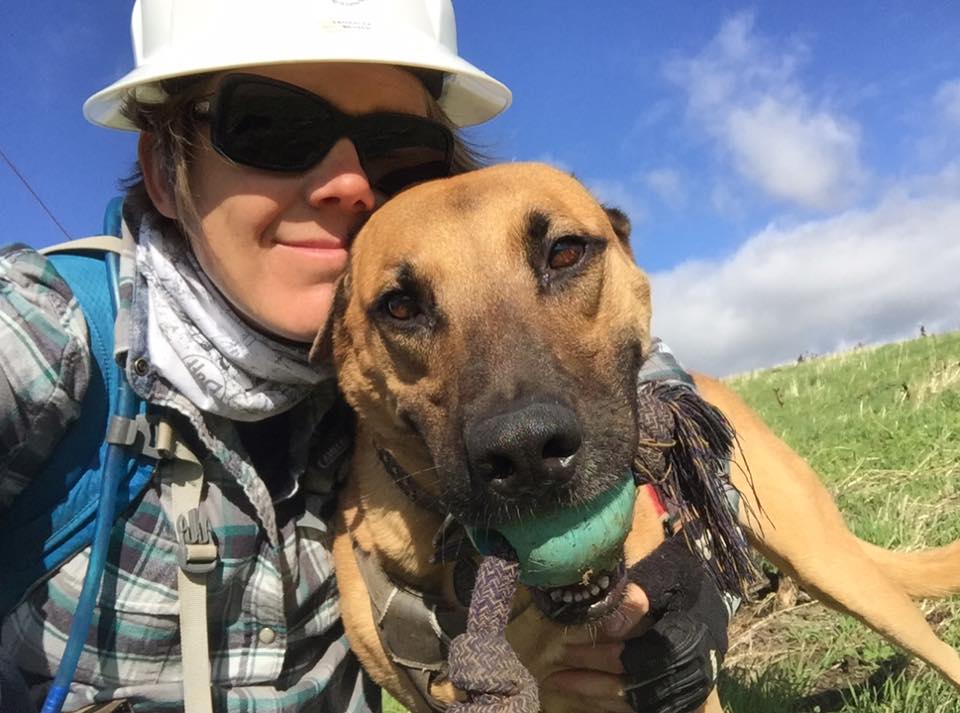 Lesson 4 of 10 within section Module One. You must enroll in this course to access course content.Instructor BackgroundModule One: Instructor Background The course instructor and owner of k9inSCENTive, Lauralea Oliver, has over three decades of education and experience in dog training and behavior, and canine scent detection. She specializes in the evaluation of candidate canines for behavior screening and as detection work prospects. Lauralea's knowledge shared in this course is a result…
Module Two
 Lesson 1 of 8 within section Module Two. You must enroll in this course to access course content.Module Two: OverviewModule Two: Overview In this module, you will learn how working canines have contributed to ecological efforts globally in the past, how their presence has expanded in the present, and how they will continue to contribute in the future. Dogs have been utilized to support conservation, agriculture, and scientific study for the past century. In…
 Lesson 8 of 8 within section Module Two. You must enroll in this course to access course content.Module Two QuizModule Two Quiz
Module Three
 Lesson 1 of 7 within section Module Three. You must enroll in this course to access course content.Module Three: OverviewModule Three: Overview Determining Your Project or Organizational Goals In this module you will see how before you begin evaluating any scent detection dog, you must first define project goals. These goals will guide the selection of the right dog to meet your needs. Without clear goals, it is easy to waste time, money, and…
 Lesson 2 of 7 within section Module Three. You must enroll in this course to access course content.Lesson 1: Why Defining Goals is the First StepModule Three: Lesson 1 Why Defining Goals is the First Step Every project starts with a purpose. Defining this objective gives direction and stability in the choices that will be made to support them. Defined goals help you make smart choices that are based on real needs instead of guesswork or assumptions. A vague goal, such…
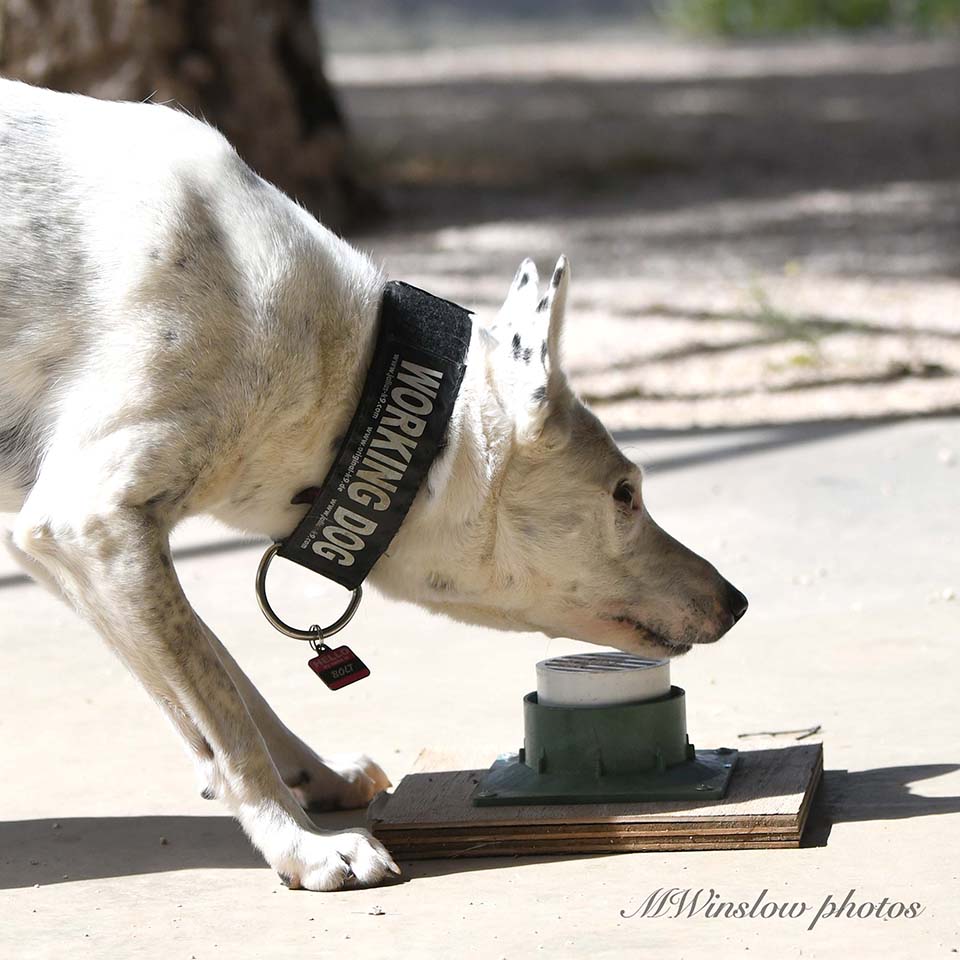 Lesson 3 of 7 within section Module Three. You must enroll in this course to access course content.Lesson 2: Building Clear Criteria to Reach GoalsModule Three: Lesson 2 Building Clear Criteria to Reach Goals Once goals are set, then criteria can be established. Set criteria are the rules by which the project goals will be achieved. The criteria become the standards by which canine selection can be guided. Without them, selection has no direction. Derive Criteria From the Goal…
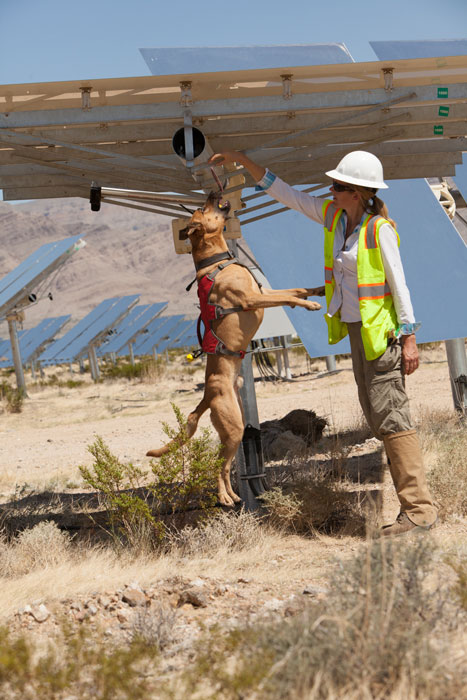 Lesson 4 of 7 within section Module Three. You must enroll in this course to access course content.Lesson 3: Using Goals and Criteria to Guide EvaluationModule Three: Lesson 3 Using Goals and Criteria to Guide Evaluation Once goals are set, they must guide canine evaluation. Think of goals as a road map. They show where you are going and keep you from getting lost. Let Criteria Shape Selection Just as a vague job posting invites the wrong applicants, vague sourcing…
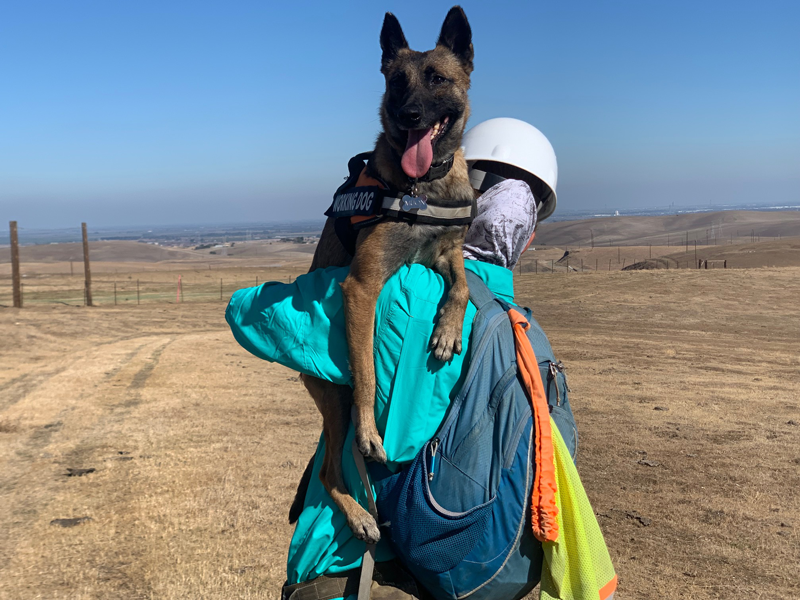 Lesson 5 of 7 within section Module Three. You must enroll in this course to access course content.Lesson 4: Balancing Human Goals with Canine AgencyModule Three: Lesson 4 Balancing Human Goals with Canine Agency Detection programs exist to meet human goals. The dog’s work supports the mission. But dogs are not machines. They are living, thinking beings with their own preferences and emotions. Recognizing this is essential for ethical practice. A dog’s cooperation should come from willingness, not compulsion.…
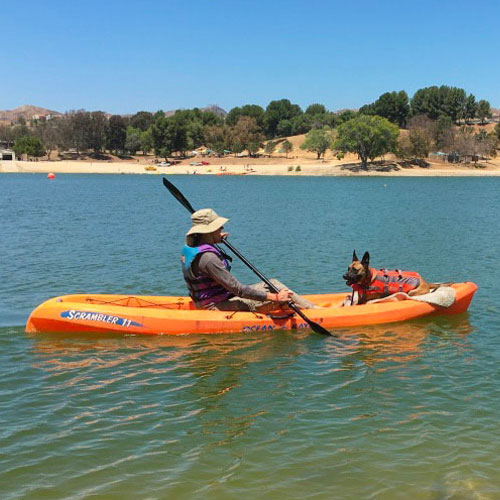 Lesson 7 of 7 within section Module Three. You must enroll in this course to access course content.Module Three QuizModule Three Quiz
Module Four
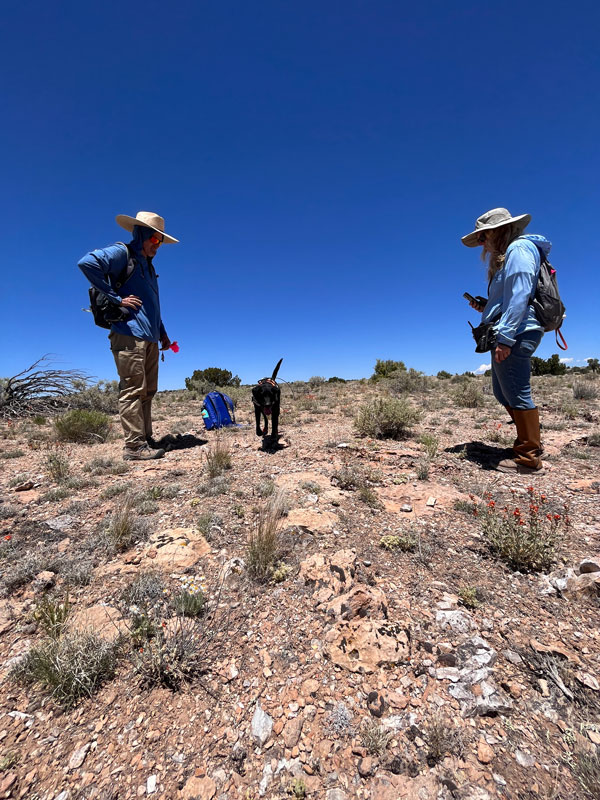 Lesson 1 of 10 within section Module Four. You must enroll in this course to access course content.Module Four: OverviewModule Four: Overview Selecting a Canine Candidate to Reach Your Goals and Meet Your Criteria Selecting the right dog for a scent detection project is one of the most important steps in building a successful program. A good match between the dog and the job means training is smoother, the dog enjoys the work, and…
 Lesson 3 of 10 within section Module Four. You must enroll in this course to access course content.Lesson 2: Aligning Candidate Strengths with Program NeedsModule Four: Lesson 2 Aligning Candidate Strengths with Program Needs Every dog comes with natural strengths. Some charge into new environments with bold energy. Others prefer to move slowly, taking their time to explore carefully. Neither style is better on its own. The evaluator’s job is to notice these qualities and connect them with the…
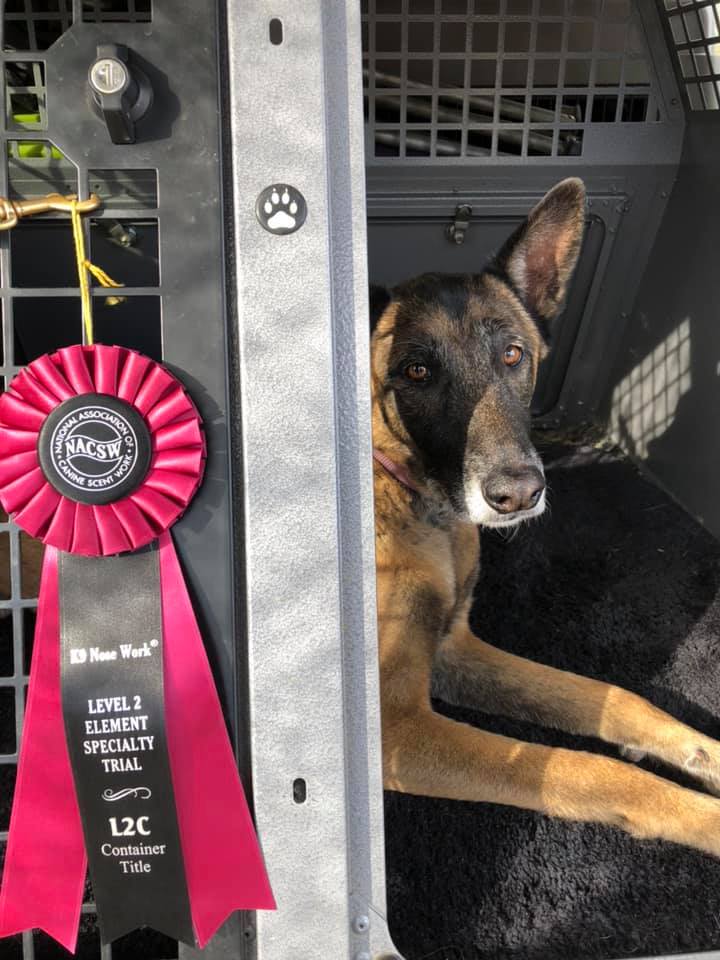 Lesson 5 of 10 within section Module Four. You must enroll in this course to access course content.Lesson 4: Defining Ethics in Working Dog SelectionModule Four: Lesson 4 Defining Ethics in Working Dog Selection Ethics is about doing what is right, fair, and responsible. In working dog programs, ethics should guide every decision. It is not just about achieving results. It is about the process used to reach them. Dogs are partners in work. Respecting them is the foundation…
 Lesson 10 of 10 within section Module Four. You must enroll in this course to access course content.Module Four QuizModule Four Quiz
Module Five
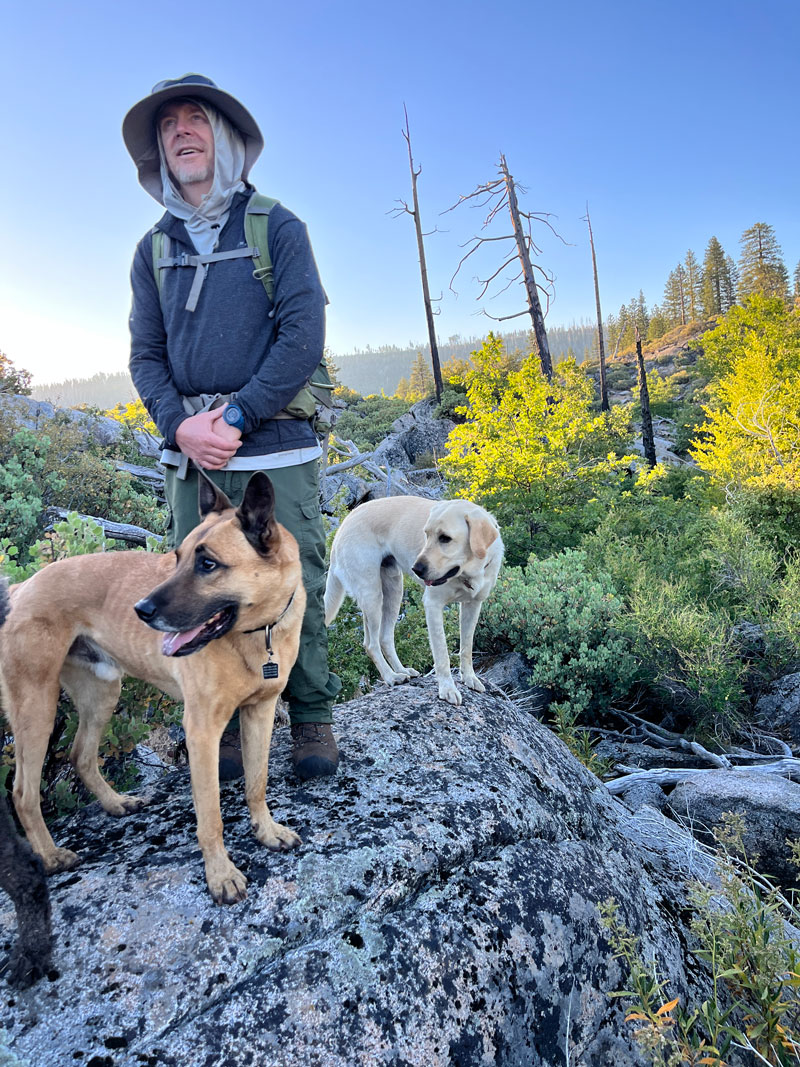
 Lesson 3 of 13 within section Module Five. You must enroll in this course to access course content.Lesson 2. Importance of Health and FitnessModule Five: Lesson 2 Importance of Health and Fitness Detection dog evaluations begin with a close look at health and fitness. It is not only about finding a dog that can work today, but about ensuring the dog can have a long and successful career. The first step in evaluation is a health screening. Evaluators…
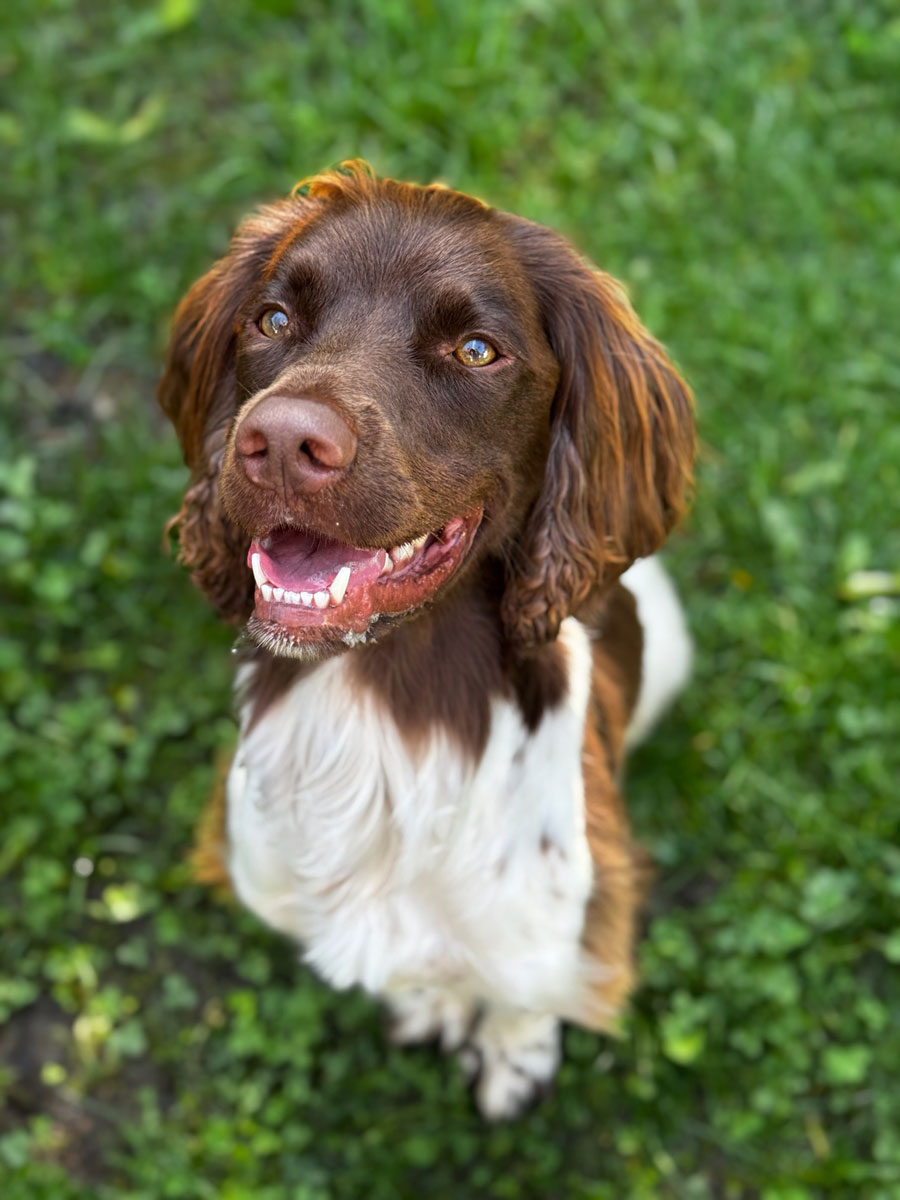
 Lesson 5 of 13 within section Module Five. You must enroll in this course to access course content.Lesson 4: Importance of Behavior and SociabilityModule Five: Lesson 4 Importance of Behavior and Sociability Temperament is just as important as health. A dog may have a perfect body, but if it cannot adapt to new environments, it will not succeed. A strong candidate must be comfortable around different sights, sounds, smells, people, and animals. Detection work often happens in unpredictable…
 Lesson 13 of 13 within section Module Five. You must enroll in this course to access course content.Module Five QuizModule Five Quiz
Module Six
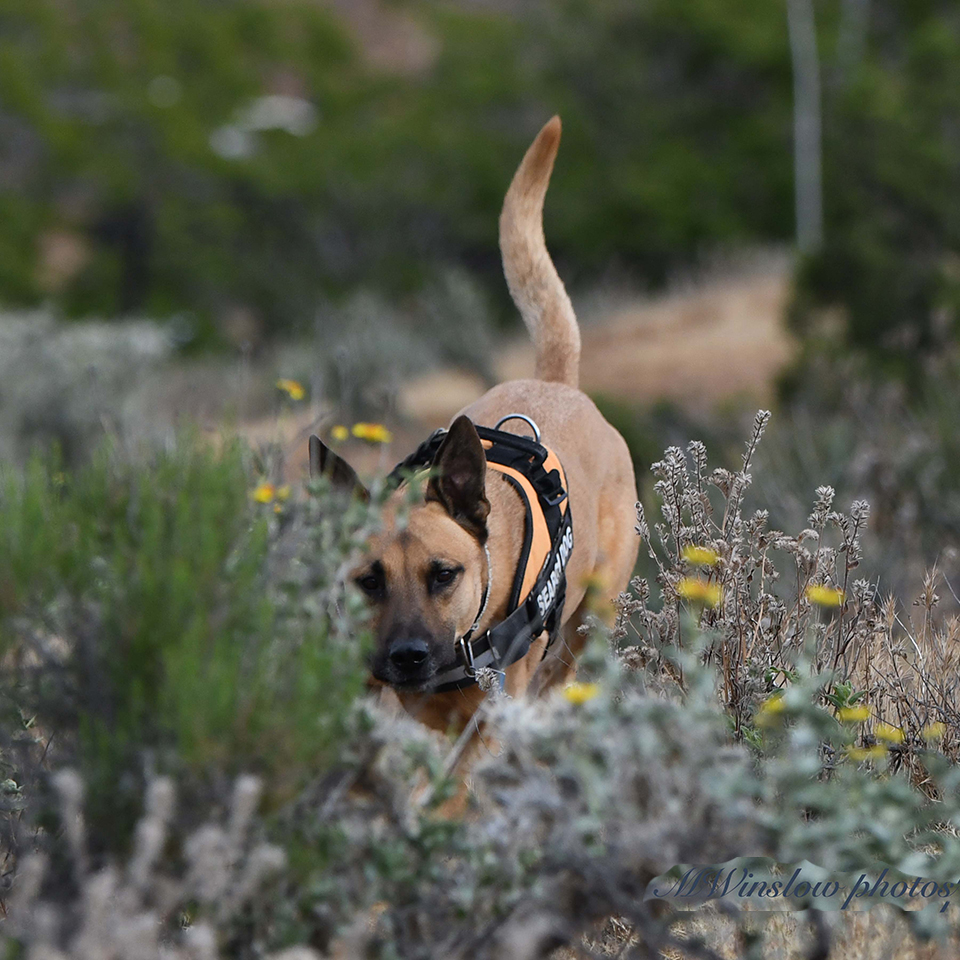 Lesson 5 of 11 within section Module Six. You must enroll in this course to access course content.Lesson 4: Search EvaluationModule Six: Lesson 4 Search Evaluation The search evaluation is the final step in the process. Selecting a dog that can succeed as ecological, biological, or wildlife scent detection dogs means selecting a dog that has an innate desire to hunt. The evaluation must be done in a safe outdoor location where the dog can…
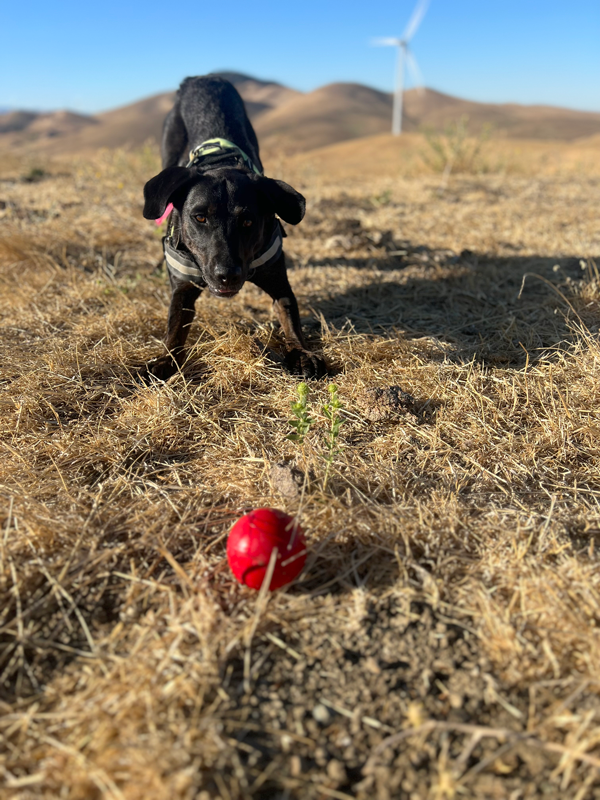 Lesson 9 of 11 within section Module Six. You must enroll in this course to access course content.Lesson 8: Full Search Evaluation Protocol Using Toys: CirceModule Six: Lesson 8 Full Search Evaluation Protocol Using Toys: Circe In this example a female Labrador retriever named Circe was tested. Circe's evaluation is broken into the three main tests: toy retrieve, toy possession, and toy search tests. Each part has clear passing and non-passing responses. Test 1: Retrieve Test Retrieve 1 Results: Retrieve…
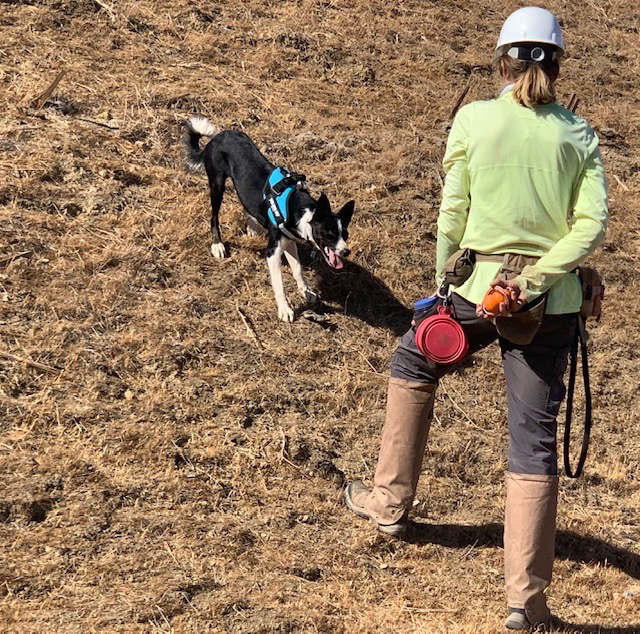 Lesson 11 of 11 within section Module Six. You must enroll in this course to access course content.Module Six QuizModule Six Quiz
Protocols Library and Hands-On Practice
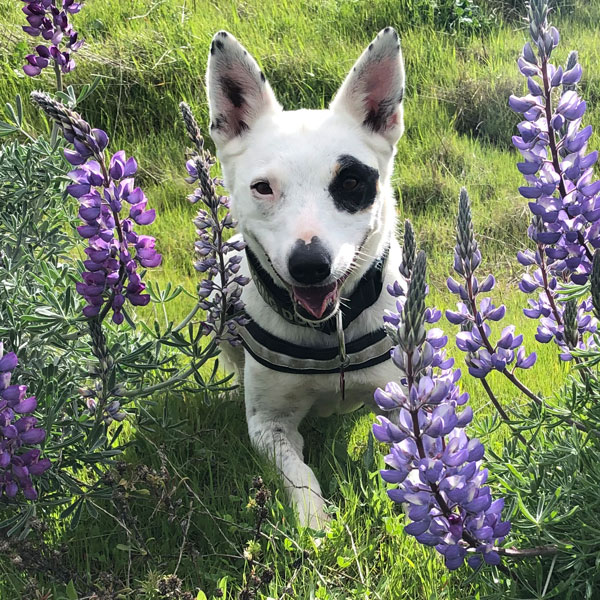 Lesson 1 of 5 within section Protocols Library and Hands-On Practice. You must enroll in this course to access course content.Behavioral AssesementsDownloadable Protocol: Behavioral Assessment Click here to find the entire Behavior protocol: Behavioral Assessment_rev. 20251204 You may also download these protocols seperetely: Behavioral Assessment_Response to Humans_rev. 20251204 Behavioral Assessment_Response to Animals_rev. 20251204 Behavioral Assessment_Resource Guarding_rev. 20251204
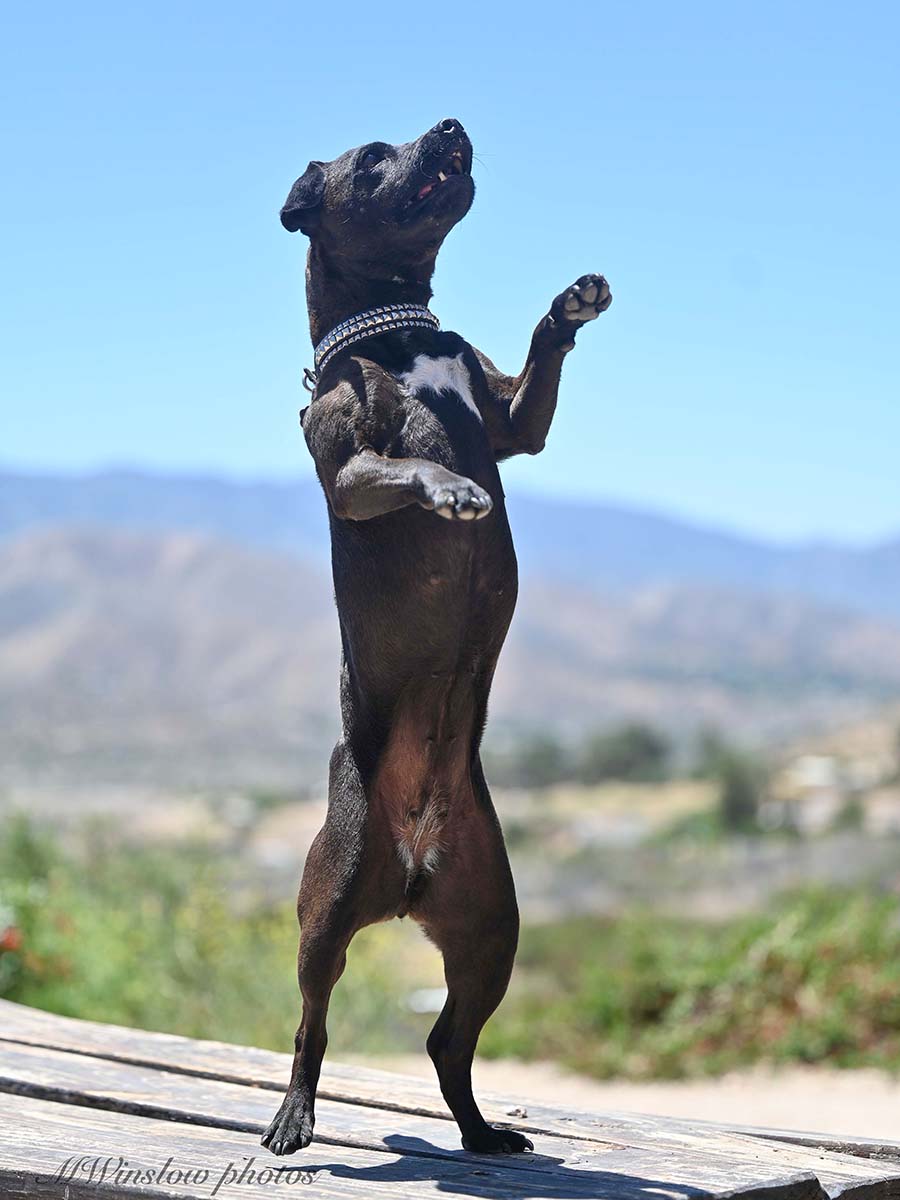 Lesson 2 of 5 within section Protocols Library and Hands-On Practice. You must enroll in this course to access course content.Risk-Style AssessmentDownloadable Protocol: Risk-Style Assessment Click here to find protocol: Risk Style Evaluation_rev. 20260824
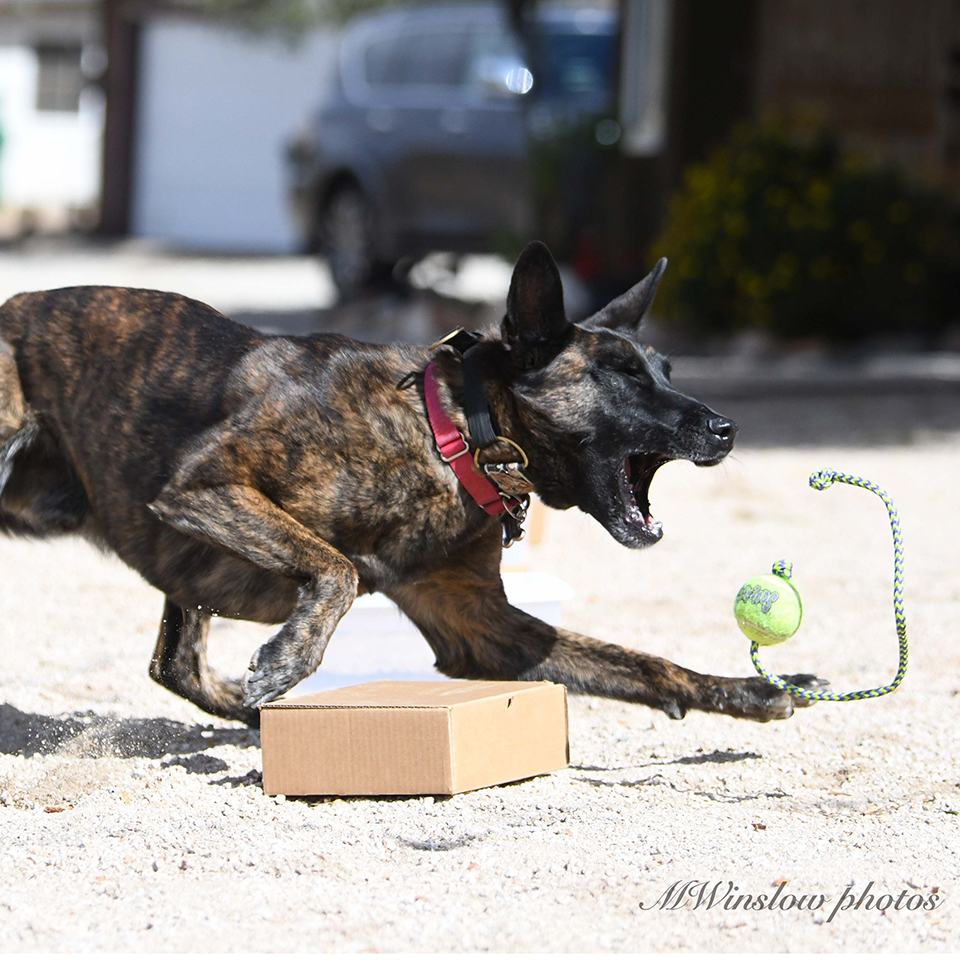 Lesson 3 of 5 within section Protocols Library and Hands-On Practice. You must enroll in this course to access course content.Motivation Evaluation: Food vs. ToyDownloadable Protocol: Motivation Evaluation: Toy vs. Food Click here to find protocol: Motivation Evaluation_rev. 20260806
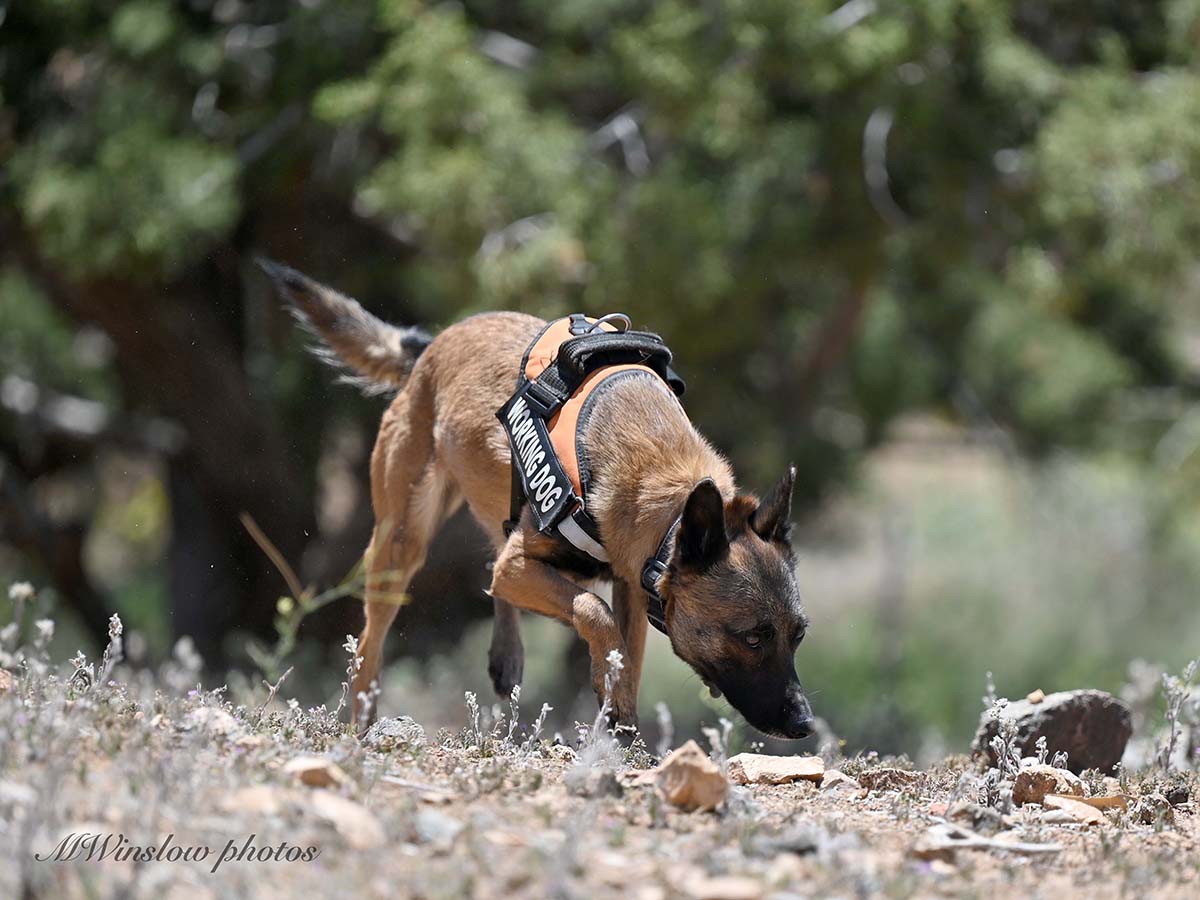 Lesson 4 of 5 within section Protocols Library and Hands-On Practice. You must enroll in this course to access course content.Search Evaluation Using FoodDownloadable Protocol: Search Evaluation with Food Protocol Click here to find the protocol: Bio Scent Dog Eval_Food Reward_rev. 20251204
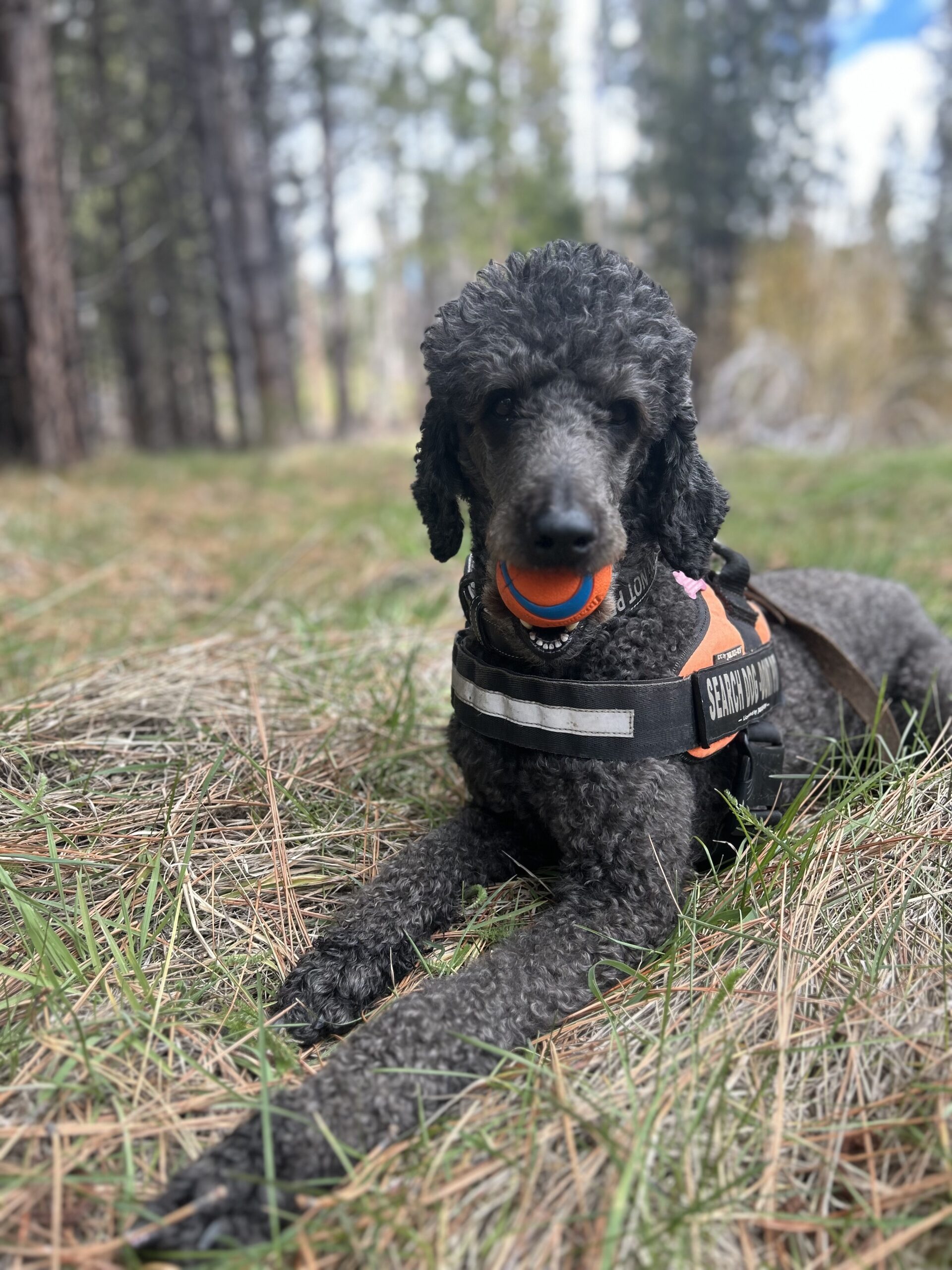 Lesson 5 of 5 within section Protocols Library and Hands-On Practice. You must enroll in this course to access course content.Search Evaluation Using ToysDownloadable Protocol: Search Evaluation Using Toys Click here to find the protocol: Bio Scent Dog Eval_Play Reward_rev.20251204
Module Seven
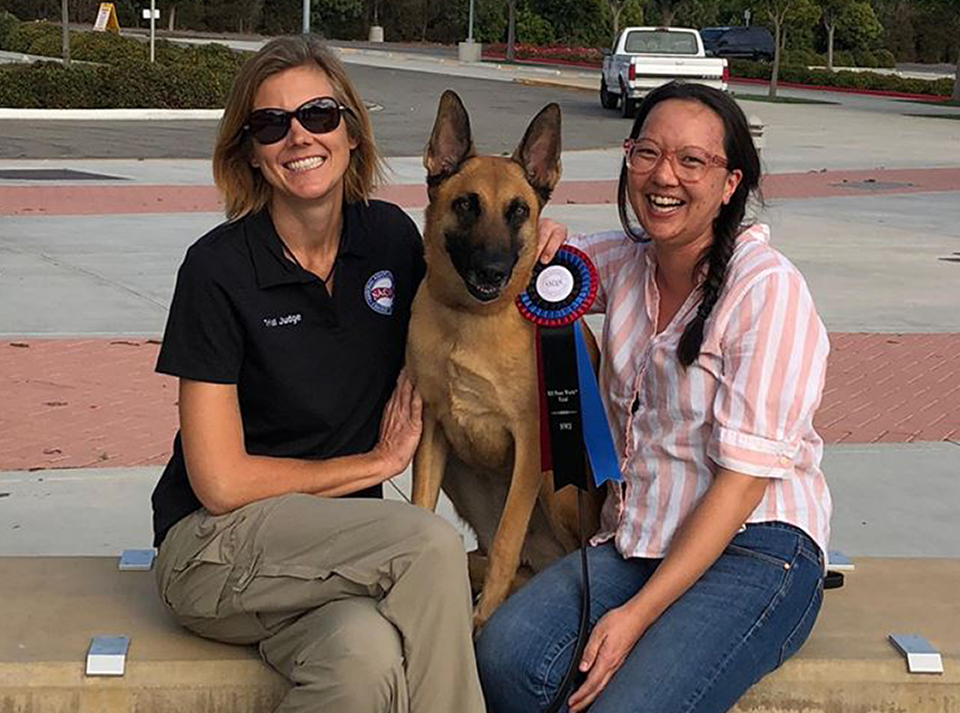 Lesson 2 of 4 within section Module Seven. You must enroll in this course to access course content.Lesson 2. Responsible Placement of Non-Passing DogsModule Seven: Lesson 3 Responsible Placement of Non-Passing Dogs So it happens that a dog who passes initial evaluation and is brought in for an in-house trial period, may ultimately not succeed in a scent detection program. This is a normal, expected and often difficult part of detection programs. Failing does not mean the dog…
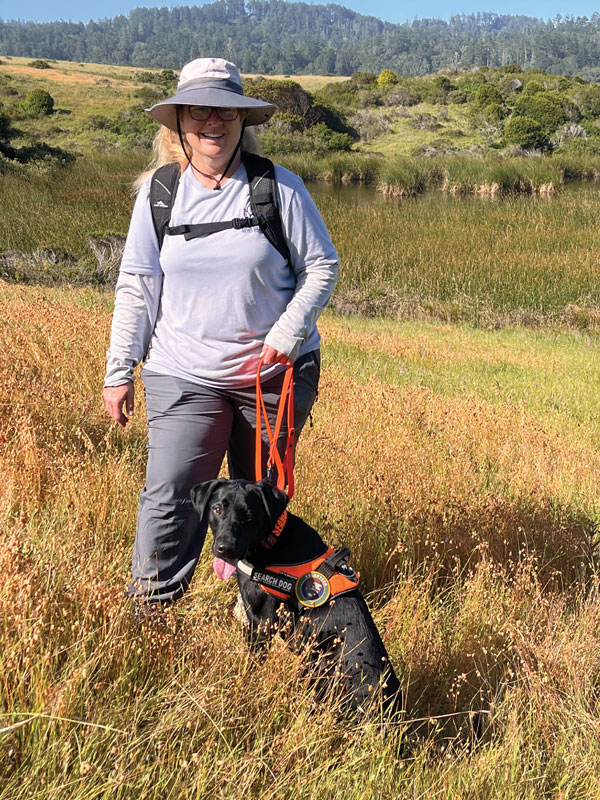 Lesson 4 of 4 within section Module Seven. You must enroll in this course to access course content.Module Seven QuizModule Seven Quiz
Module 8: Final Exam
 Lesson 1 of 2 within section Module 8: Final Exam. You must enroll in this course to access course content.Final Exam: Part 1Final Exam: Part 1
Course Extras