Francis X. Villablanca; Christopher P. KofronCorresponding Author; Lauralea Oliver; Michael J. Walgren; Lisa E. Andreano;…
Cal Poly News: Where are the Wild Things?
By Brian Maxey
CAL POLY NEWS
In 1986, Elvis Presley, Buddy Holly and James Brown were the first inductees into the Rock ‘N’ Roll Hall of Fame. That same year, the spacecraft Voyager 2 made its first Uranus flyby. That year also marked the last time humans observed the Morro Bay kangaroo rat in the wild.
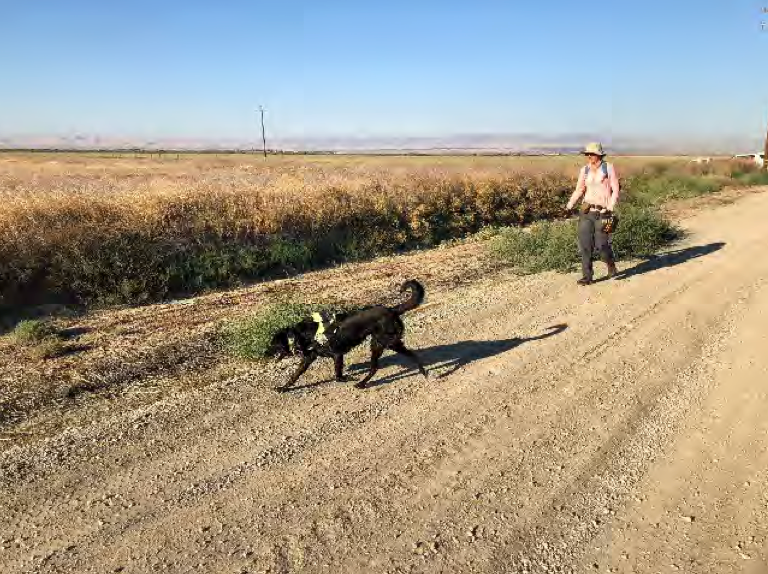
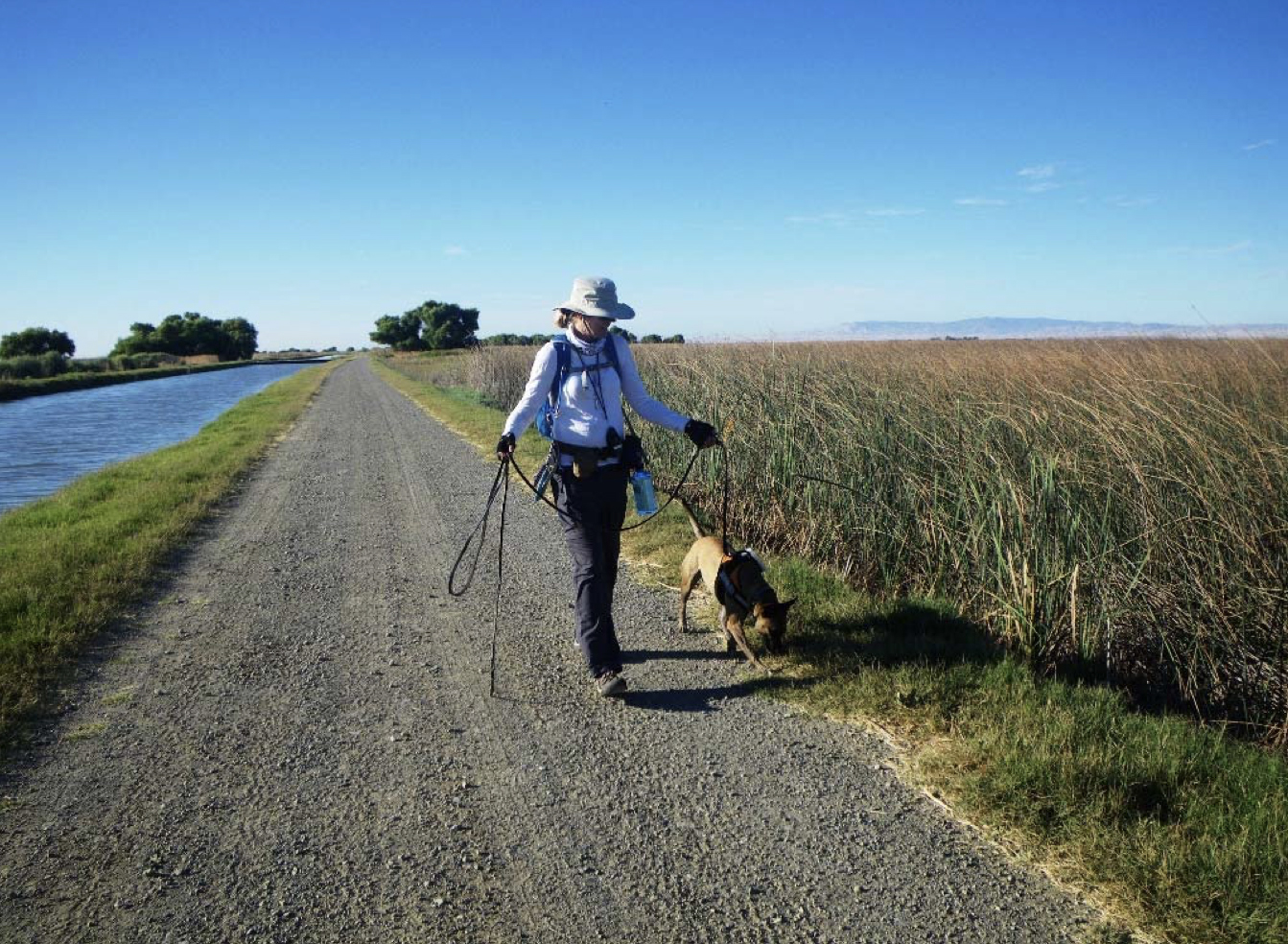
Cal Poly biology Professor Francis X. Villablanca and researchers from the U.S. Fish and Wildlife Service (FWS) are in the midst of an ambitious effort to document whether the kangaroo rat still exists.

Francis X. Villablanca
“My hypothesis all along is that they are rare and present,” Villablanca said of the large-footed, diminutive rodent that has eluded biologists for three decades. “It’s hard to be certain that something rare is present because it takes a lot of work to find something rare, and it’s even harder to prove that something rare is actually absent.”
The rodent hasn’t always been rare, however. Maturation of local plant communities and both residential and commercial development have crowded out the kangaroo rat, which once occupied five square miles in the Los Osos and Baywood Park areas when the species was first documented in the early 1900s. In the 1970s, the rat was placed on the endangered species list. By 1993, the last captive specimen died at Smithsonian’s National Zoo.
Related Posts